
What Questions Should I Ask Before Hiring an Interior Designer?
12 questions that reveal how visualization actually works, who does the rendering, and whether AI could save you weeks and thousands.
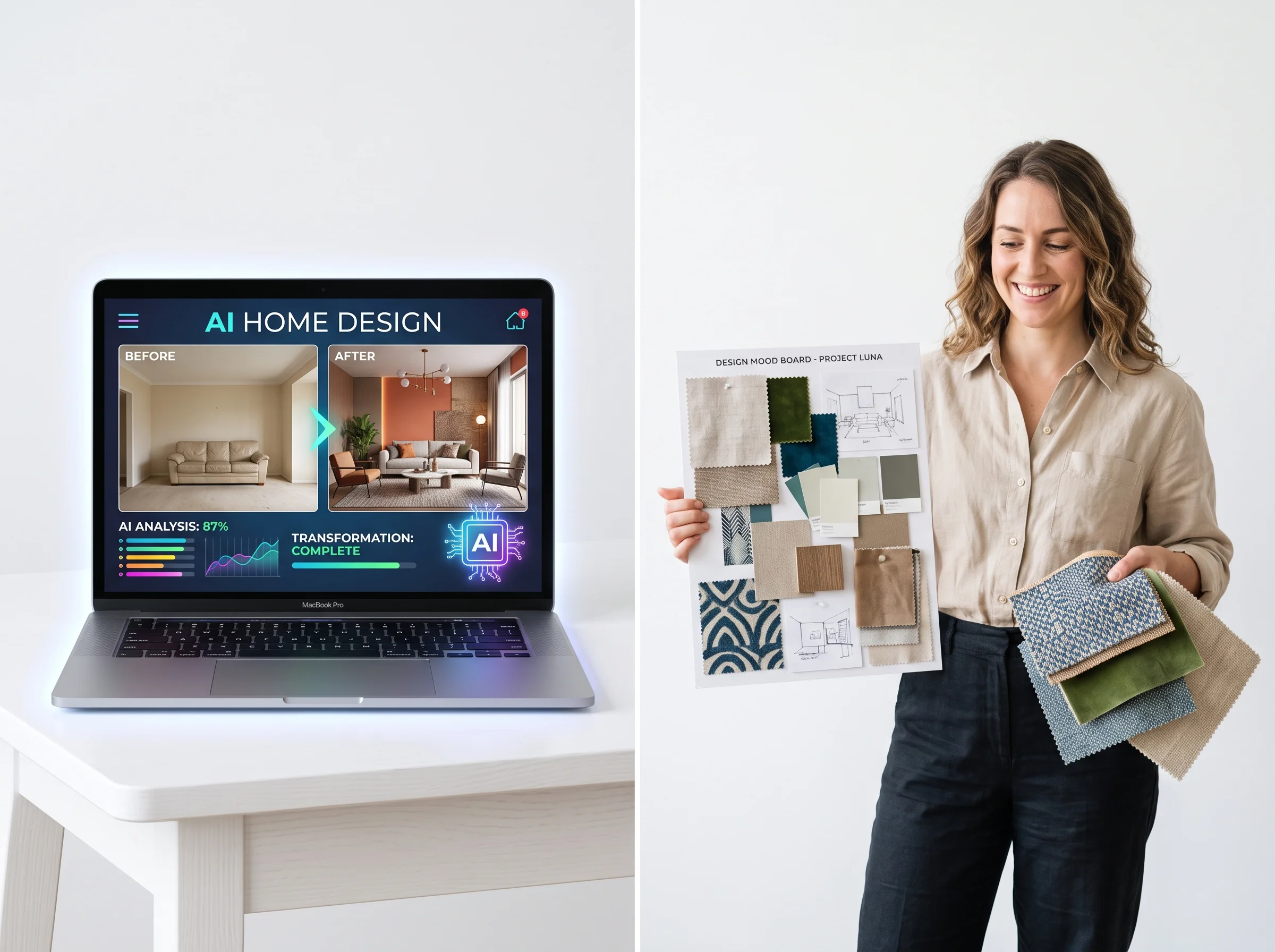
Can AI Design a Room Better Than a Professional Designer?
AI wins on speed, cost, and iteration. Designers win on material knowledge and contractor coordination. The honest breakdown.
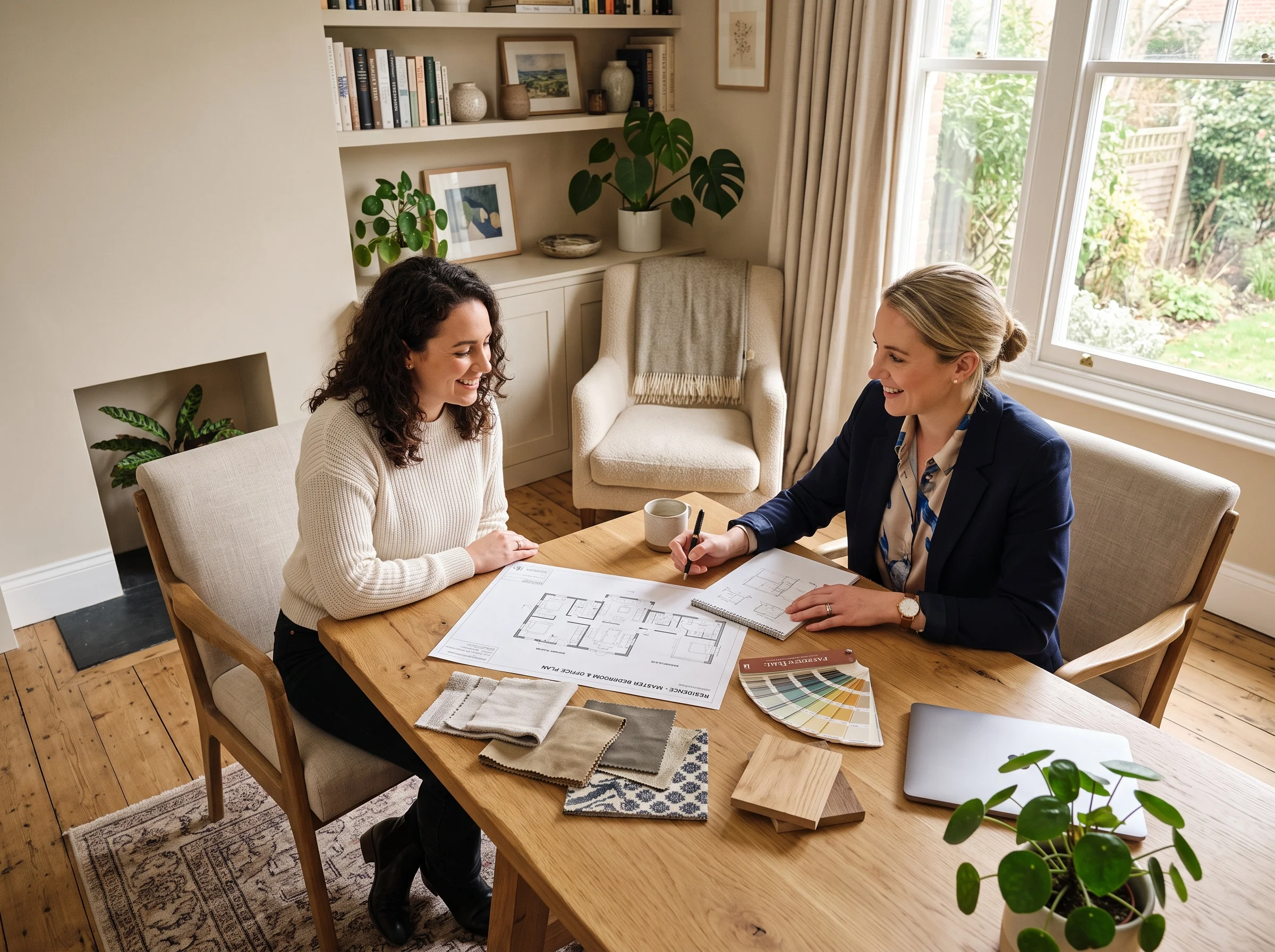
What Does an Interior Designer Actually Do? (And What They Outsource)
Most homeowners don't know designers outsource the visualization. Here's what they actually do — and where AI fills the gap.
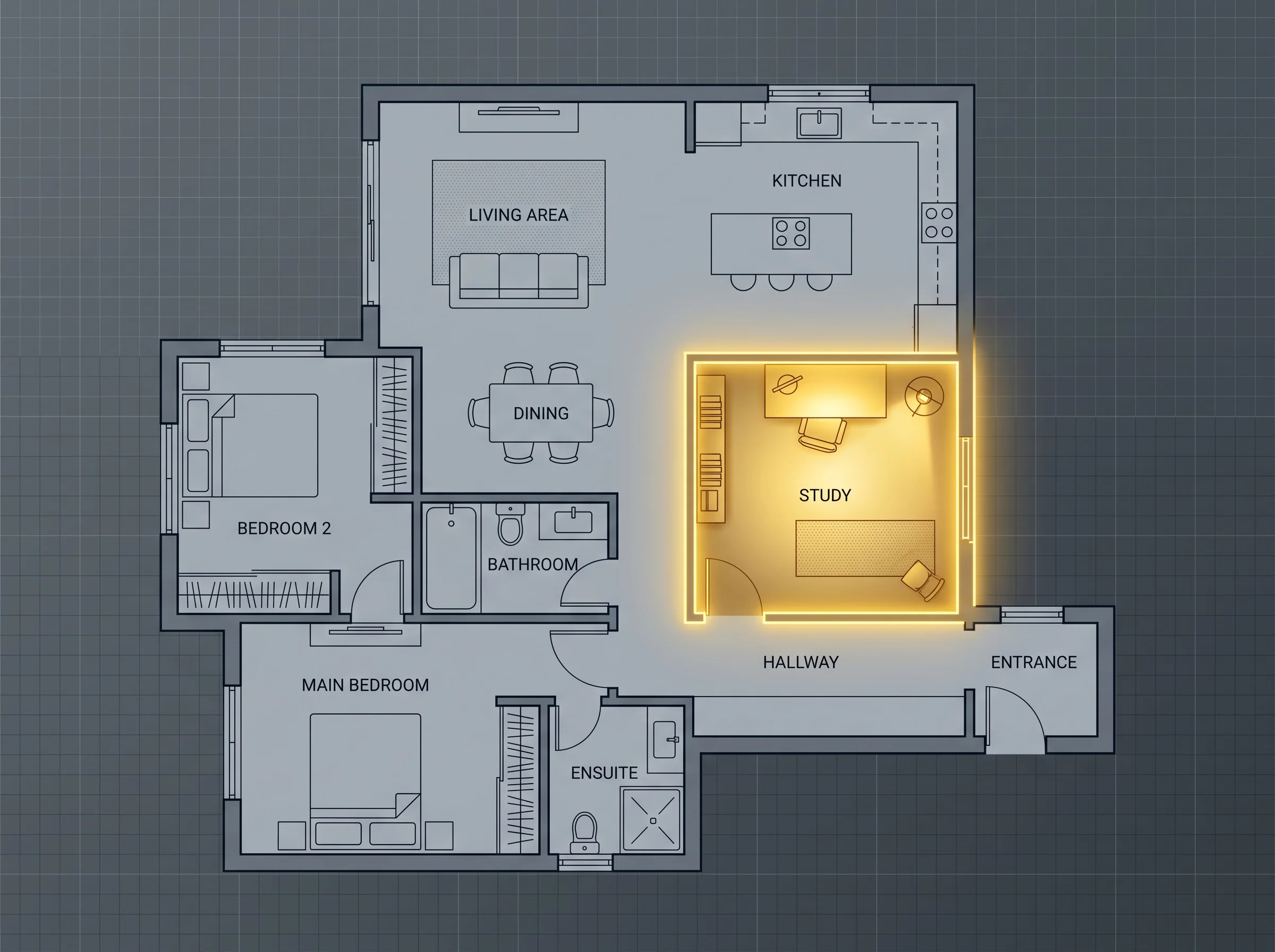
Do Interior Designers Work on Single Rooms or Whole Homes?
Most designers prefer whole-home projects, but single-room is possible — with minimums of $1,000-3,000+. Here's how to get great results for one room.
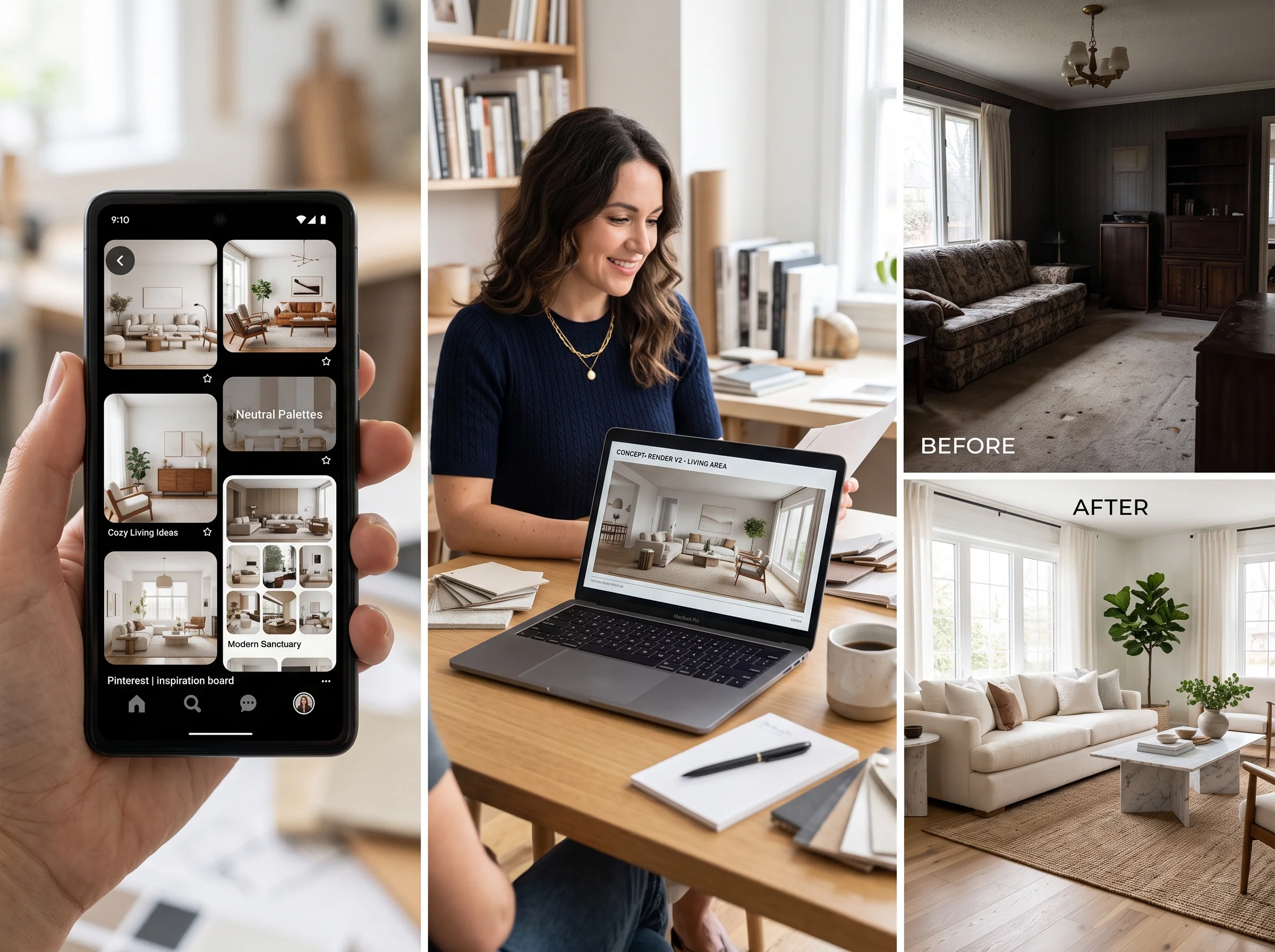
Cheap Design Advice vs Professional Interior Design: What's the Real Difference?
Free advice gives you ideas. Professional design gives you results. AI now gives you photorealistic visuals of your actual room at near-zero cost.
Can I Get Interior Design Help for a Specific Budget?
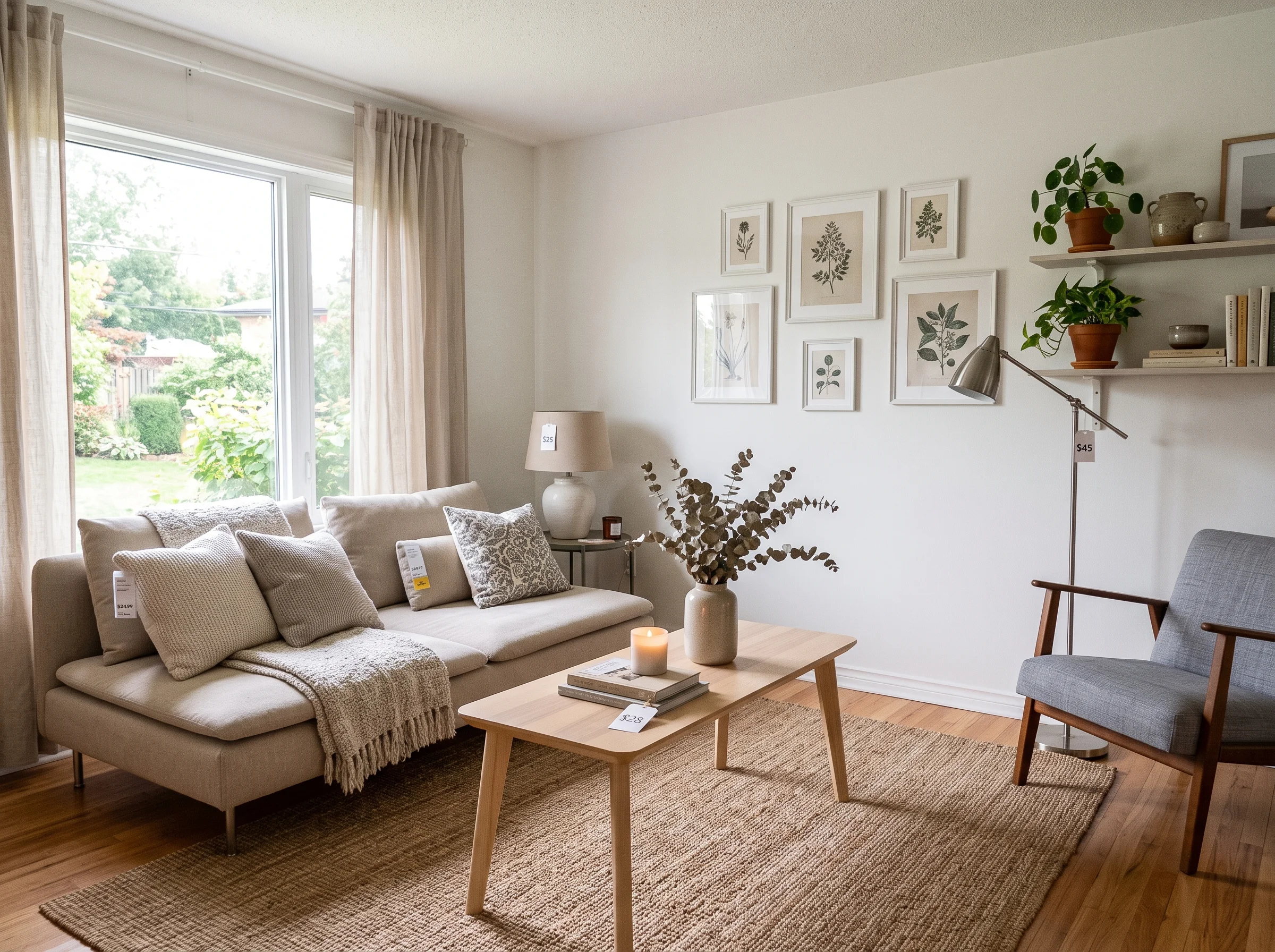
Under $500: AI covers it. $500-2,000: e-design. $2,000-5,000: limited designer hours. $5,000+: consider full service. The honest map.
How Do Interior Designers Create Custom Space Plans?
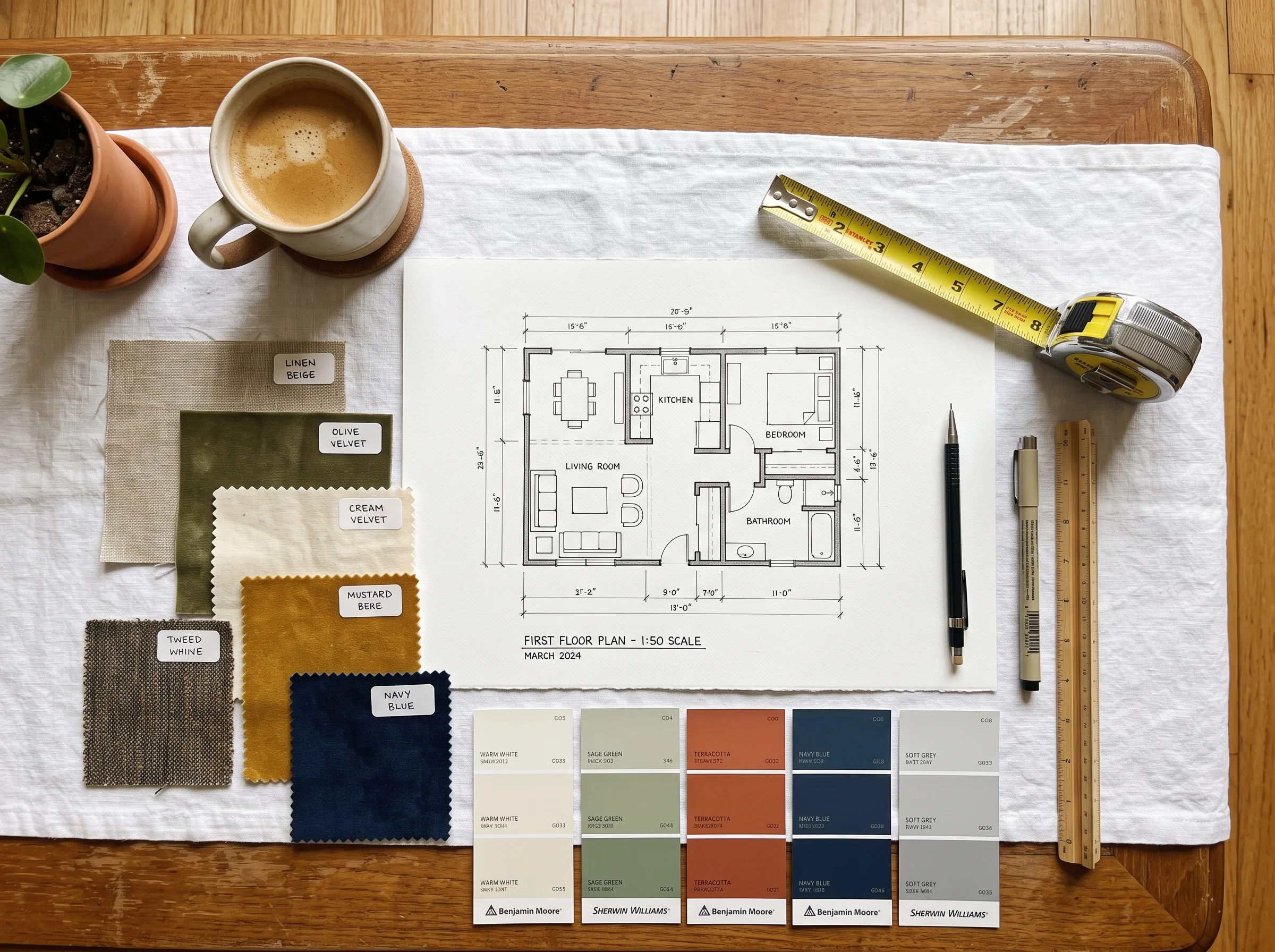
Focal points, traffic flow, functional zones, scale rules — the exact methodology designers use to plan any room.
Is the 3-5-7 Rule Real in Interior Design? What Designers Actually Use
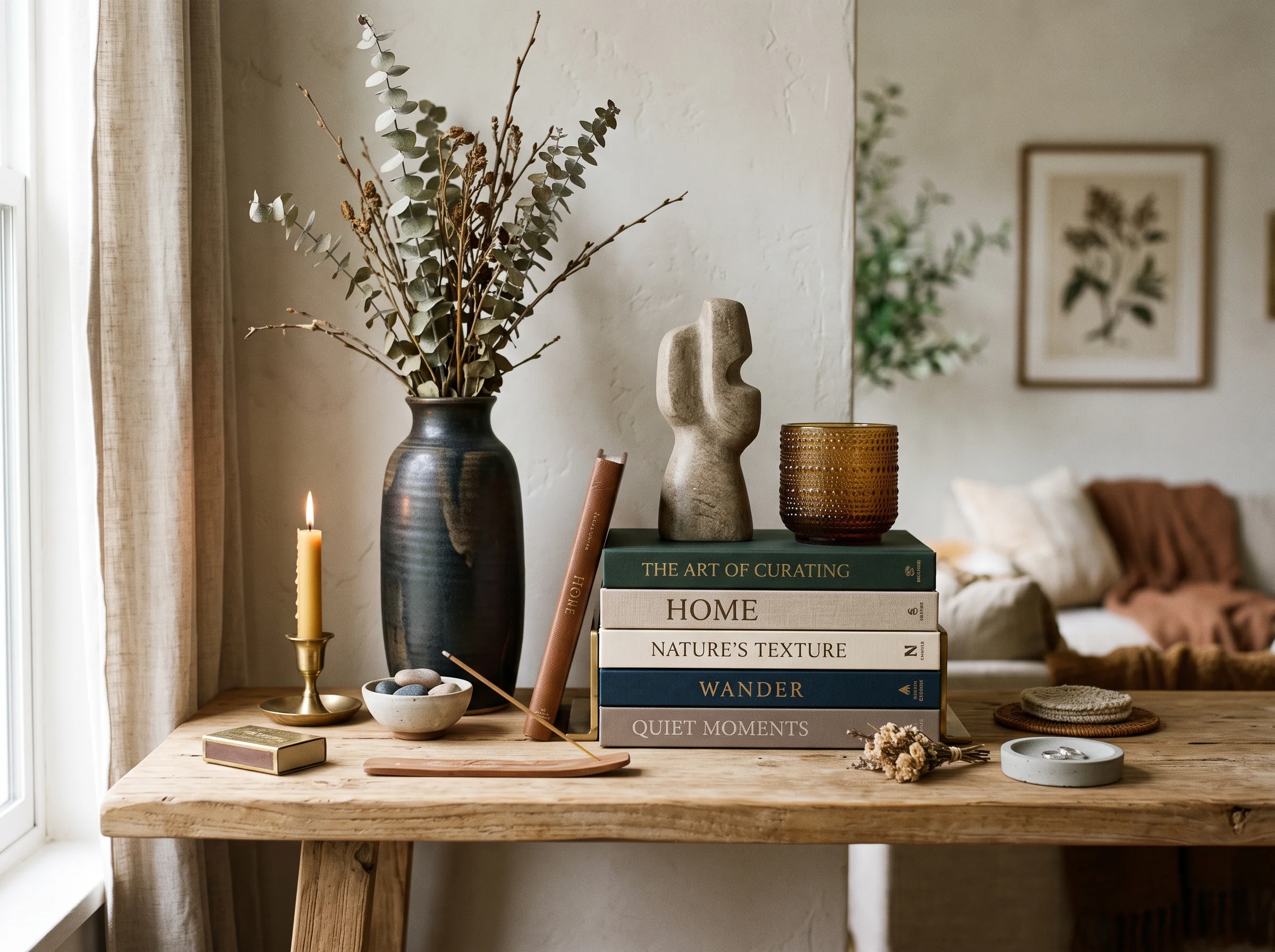
Odd-number groupings work — but that's one rule among dozens. Here's the complete list of principles designers actually apply.
What Makes a Good Interior Designer Worth the Investment?
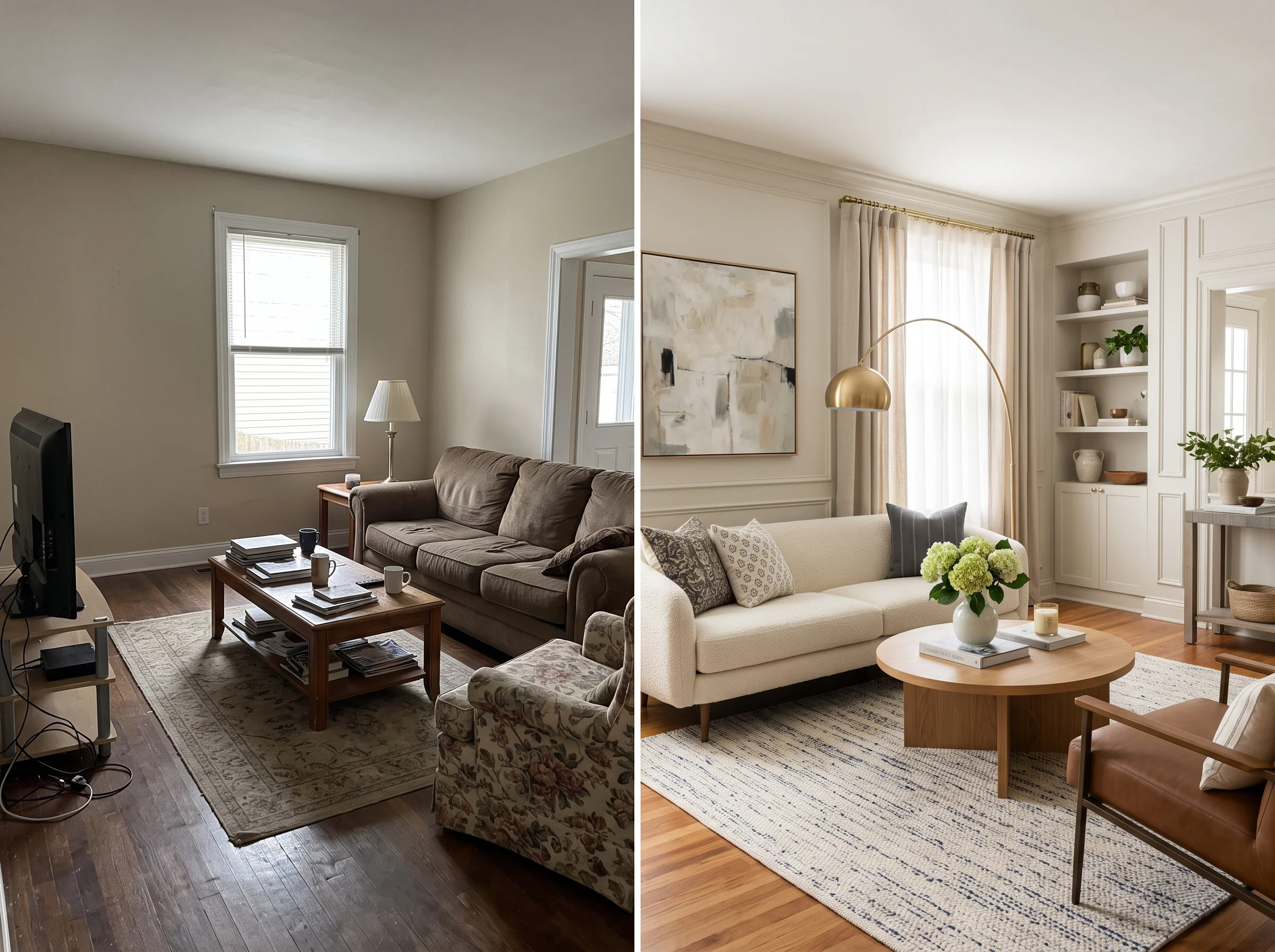
Mistake prevention, resale value, contractor coordination — the honest ROI case, and when it doesn't hold.
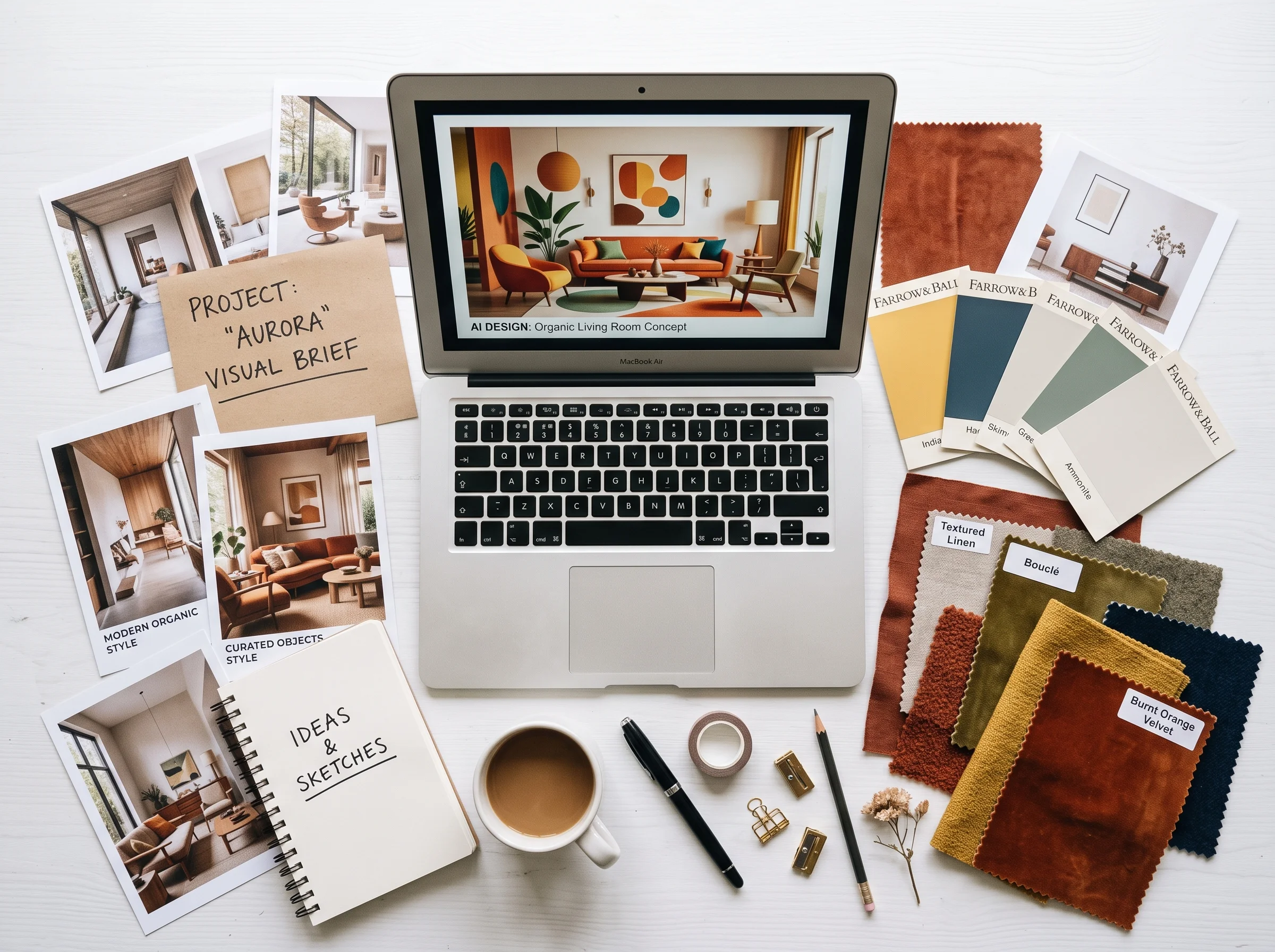
How to Describe Your Style to an Interior Designer Without Sounding Vague
"Warm but modern" means nothing without visuals. Arrive with AI-generated concepts of your room and cut briefing from weeks to one meeting.
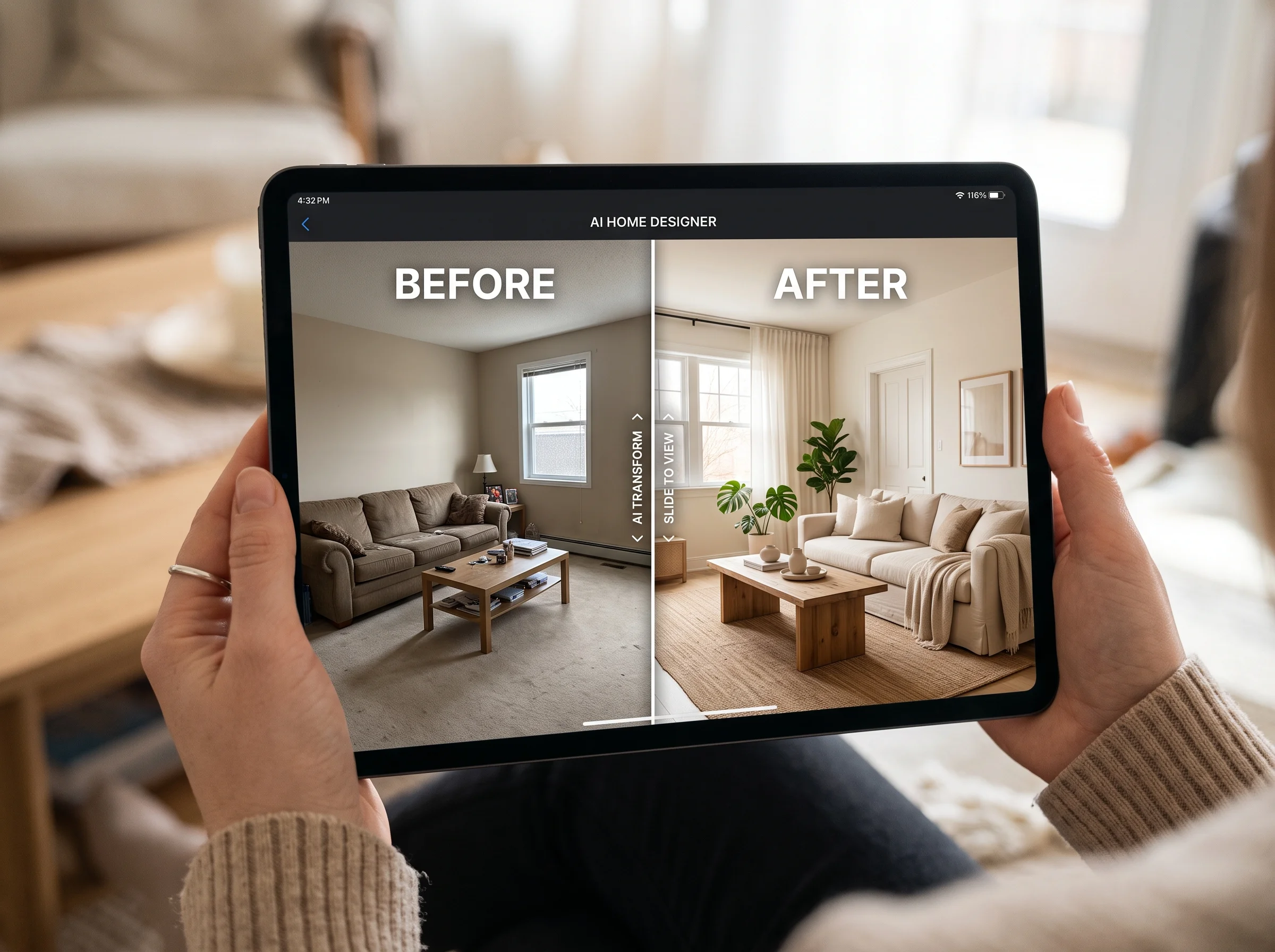
What Happens When You Let an AI Design Your Room? Real Results and Limitations
What AI nails, what it misses, and how to use it to make real buying decisions — tested across 8 styles.

Interior Design Consultation: What to Expect at Your First Meeting
Budget, scope, timeline, style discovery — how to prepare and how to arrive with AI visuals that cut discovery time in half.

How Do Interior Designers Handle Budgeting and Cost Management?
30-40% furniture, 20-30% labor, 10% contingency (always). How professional cost management works — and how to apply it yourself.
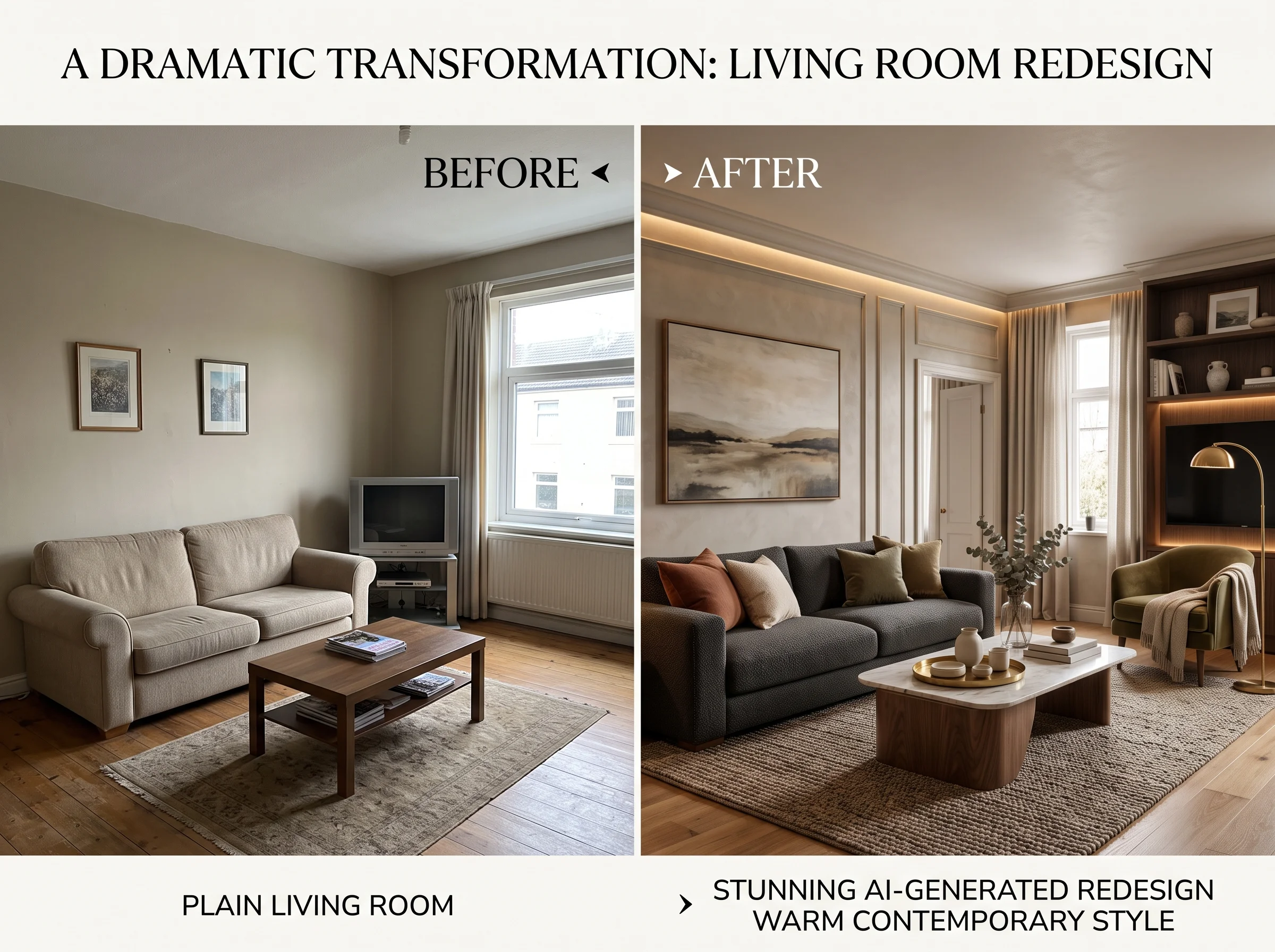
Can AI Create 3D Renderings of Your Space?
Traditional: $1,500-3,000 per room, 2-3 week wait. AI photo rendering: 30 seconds, near-zero cost. What's possible today.
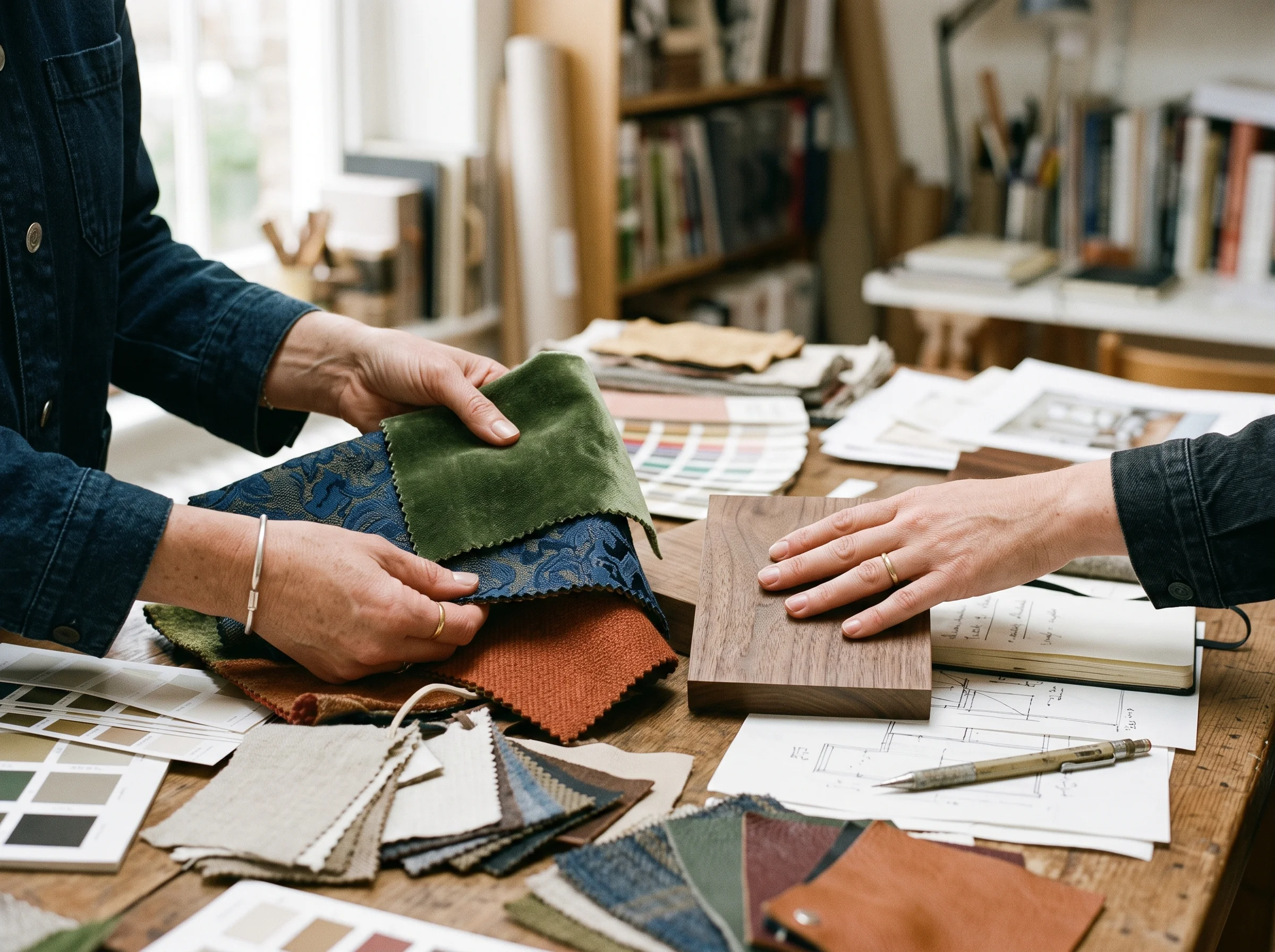
Why Professional Designers Still Get Results AI Can't
5 things designers do that AI cannot: tactile knowledge, structural expertise, contractor management, trade relationships, legal compliance.
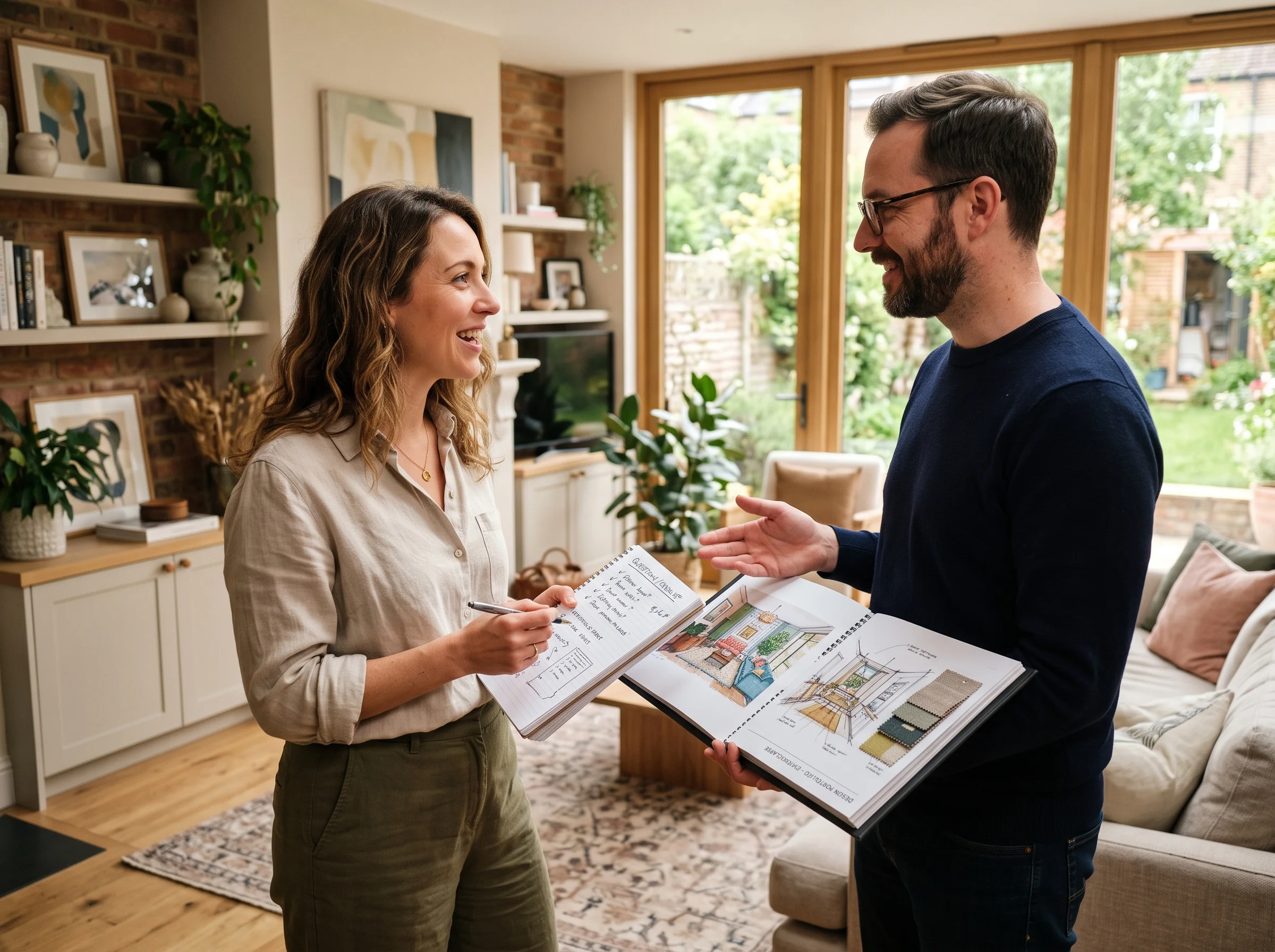
How to Interview an Interior Designer: Questions That Reveal Real Fit
Portfolio questions are necessary but not sufficient. These are the questions about process, visualization, and revision policy that actually reveal fit.
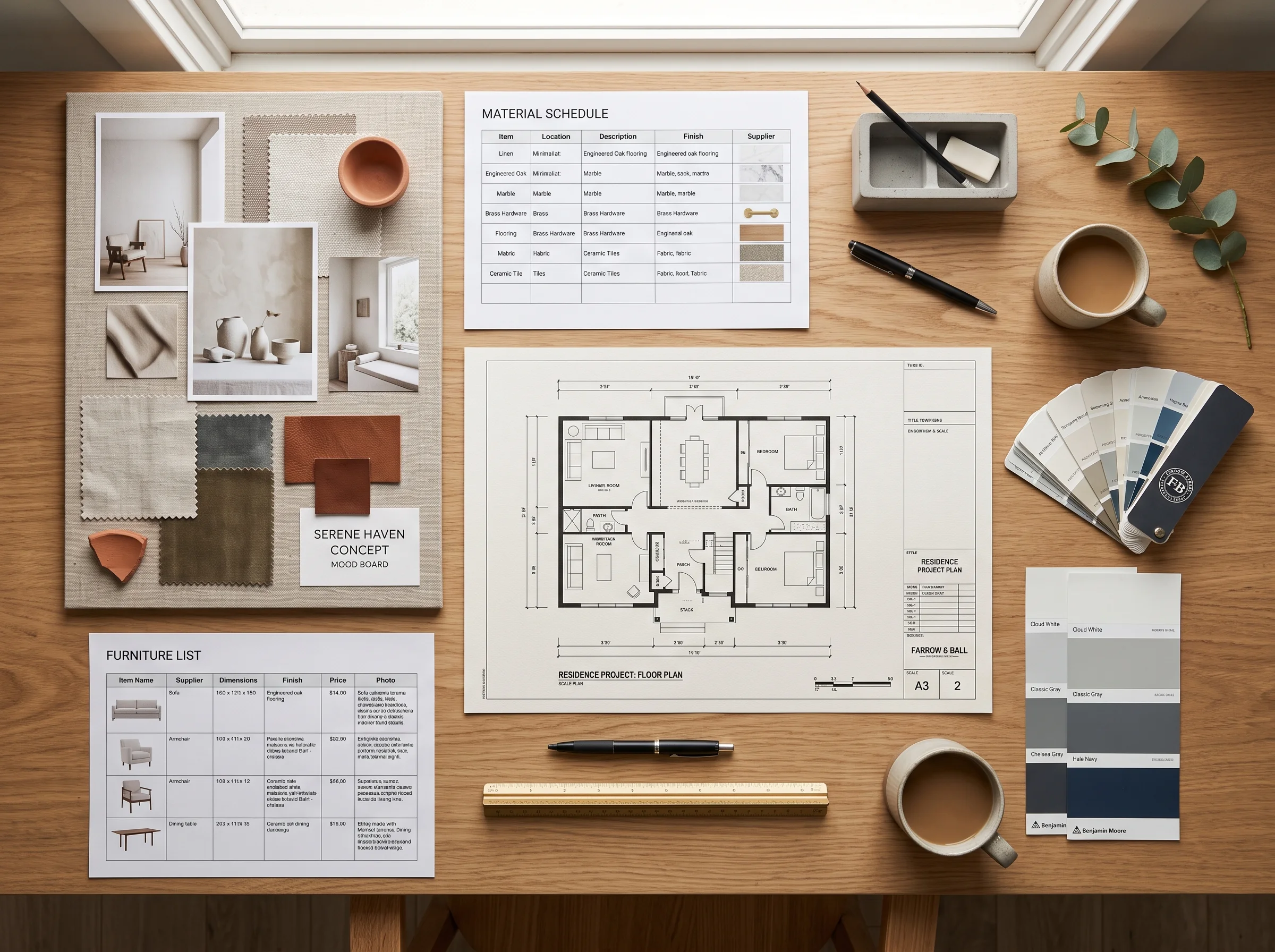
What's Included in an Interior Design Project? Full Scope and Deliverables
From discovery to installation — every deliverable in a full design project and what's commonly missing from contracts.
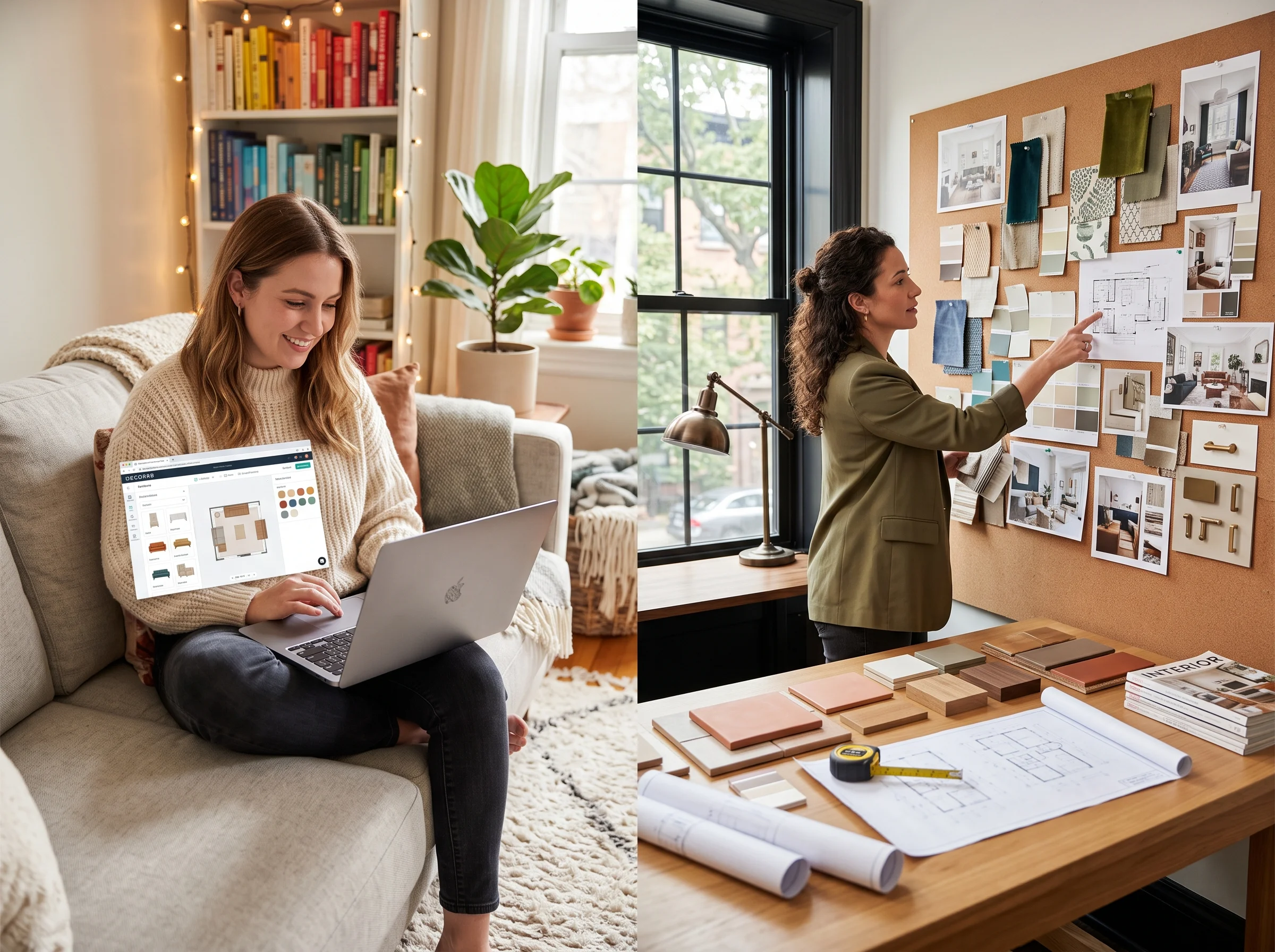
Free AI Design Tools vs Hiring a Designer: Honest Cost-Benefit Analysis
Is your project about choosing (AI wins) or executing with contractors (consider a designer)? The diagnostic question that settles the decision.
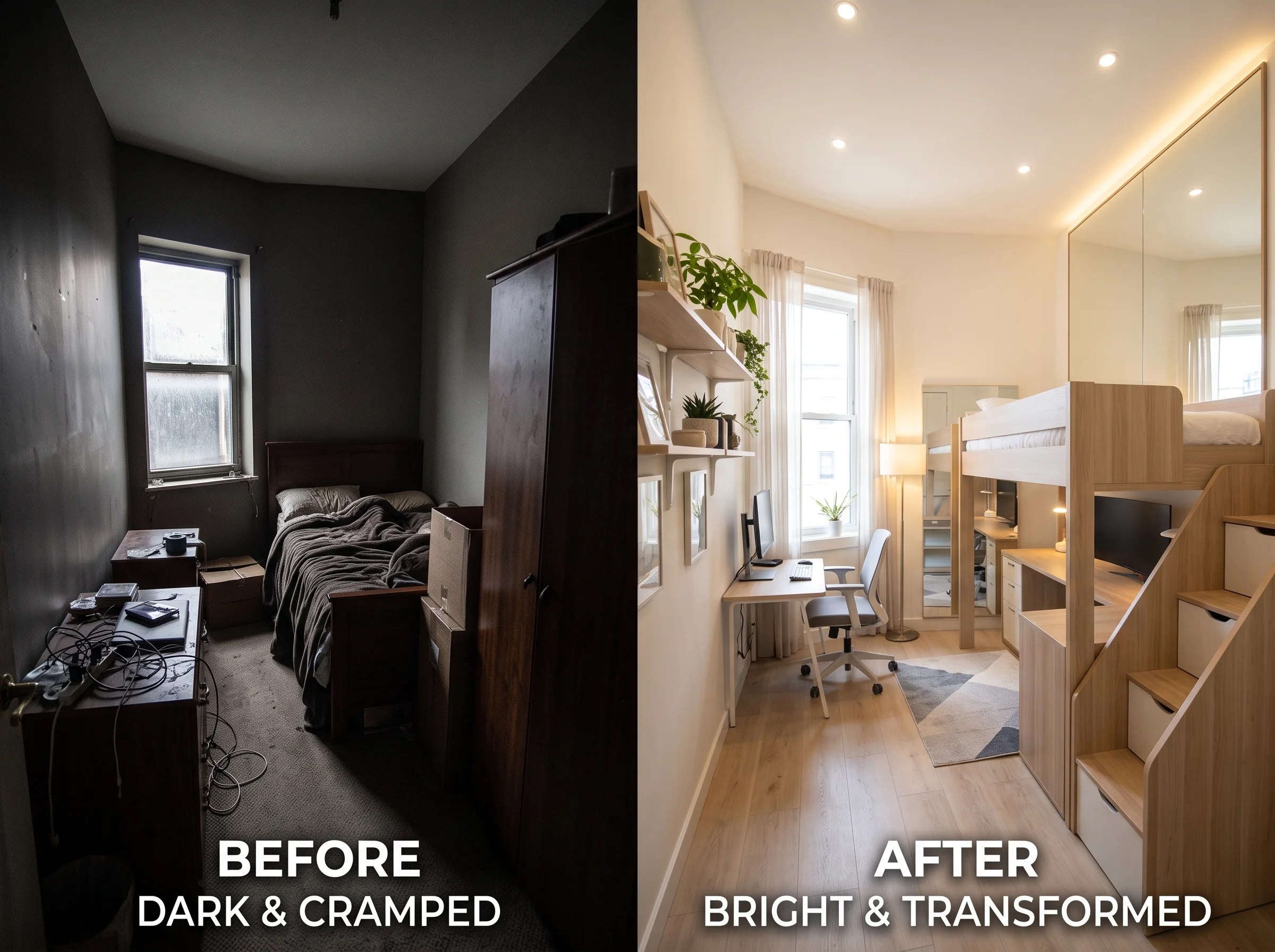
How Designers Solve Common Decorating Problems (And How to DIY It)
Small room, cold atmosphere, no focal point, awkward proportions — systematic solutions for the 7 most common decorating problems.
Interior Designer vs Decorator: What's Actually the Difference?
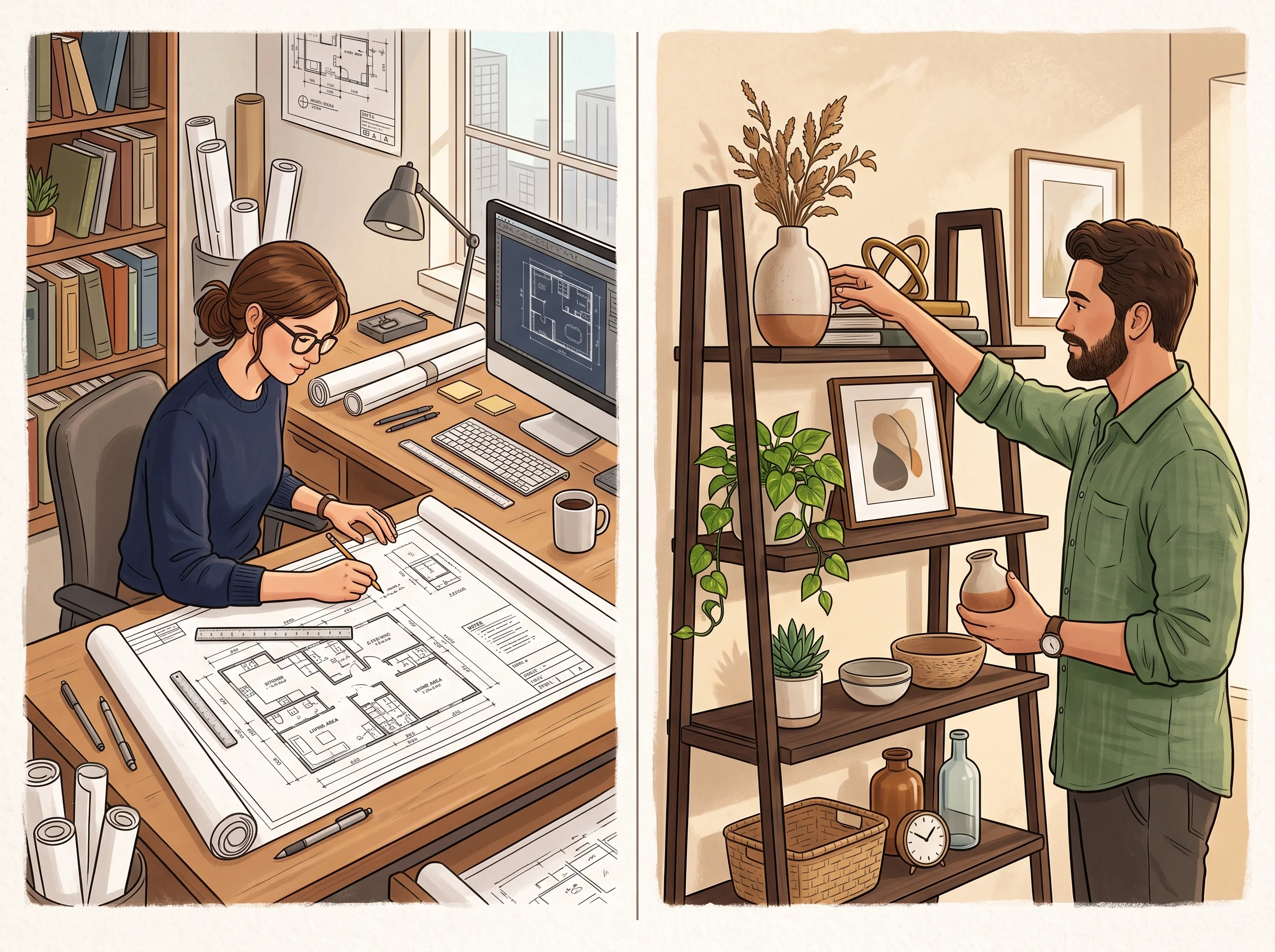
Designers can modify structures and manage contractors. Decorators work with existing spaces. The legal and practical difference — and when you need which.
How Do Designers Personalize Spaces to Your Lifestyle?
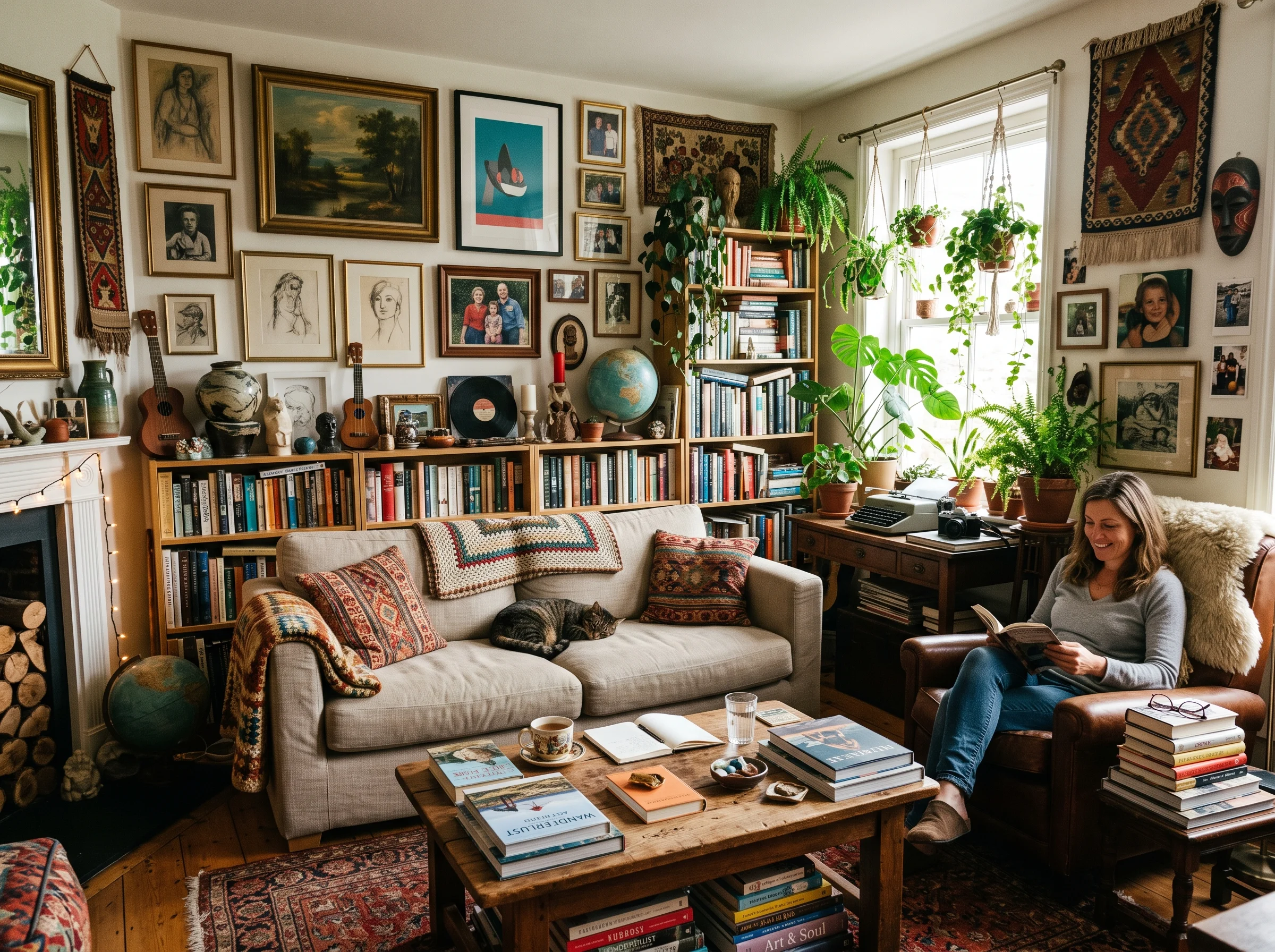
The lifestyle discovery questions designers ask — and how to do your own audit before designing so your room works for how you actually live.
Can You Really Get Good Design Advice from ChatGPT?
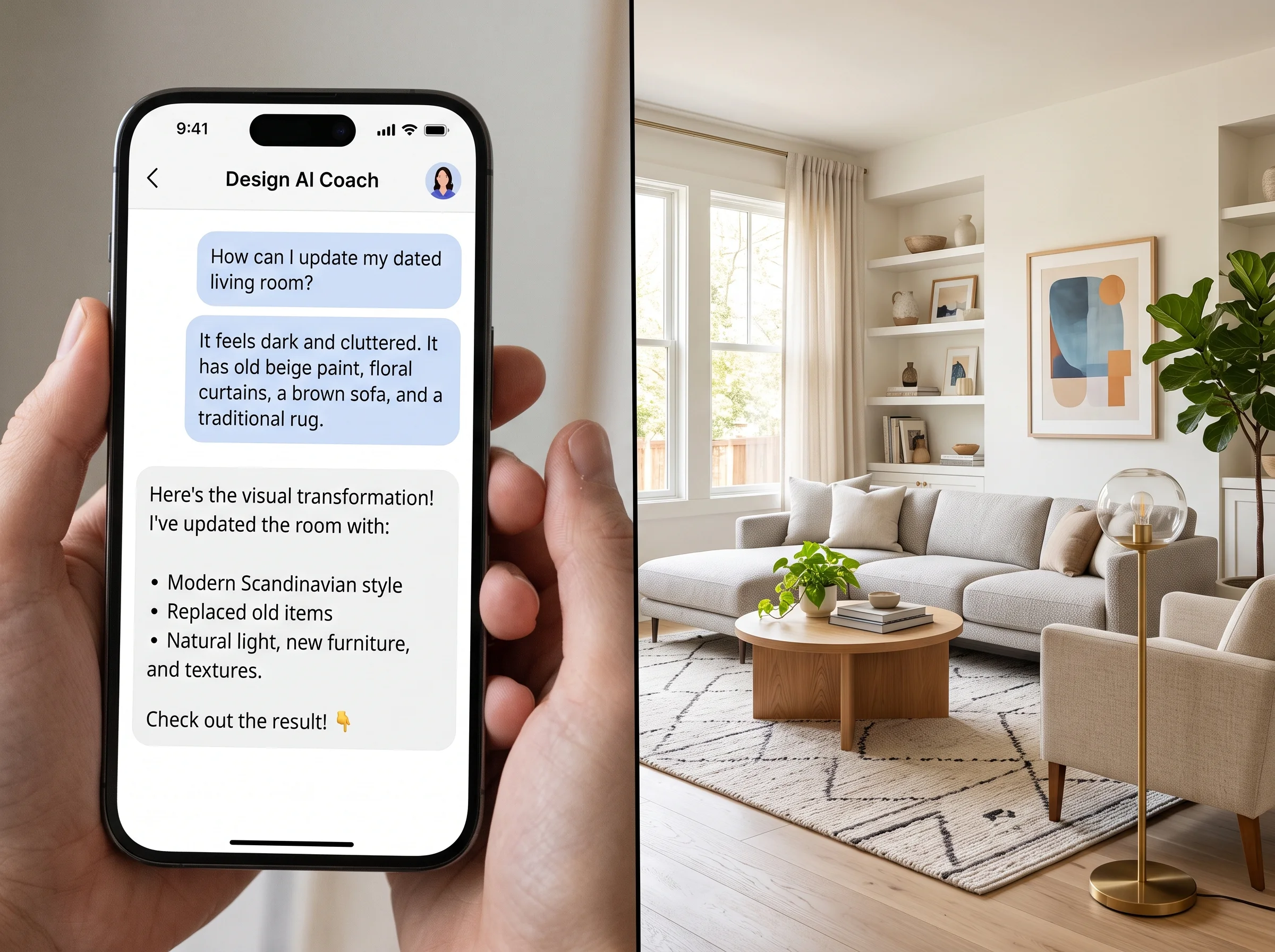
ChatGPT can't see your room. Here's what text AI does well, where it falls short, and the tools that actually show you your space transformed.
What Do Interior Designers Consider When Planning a Room?
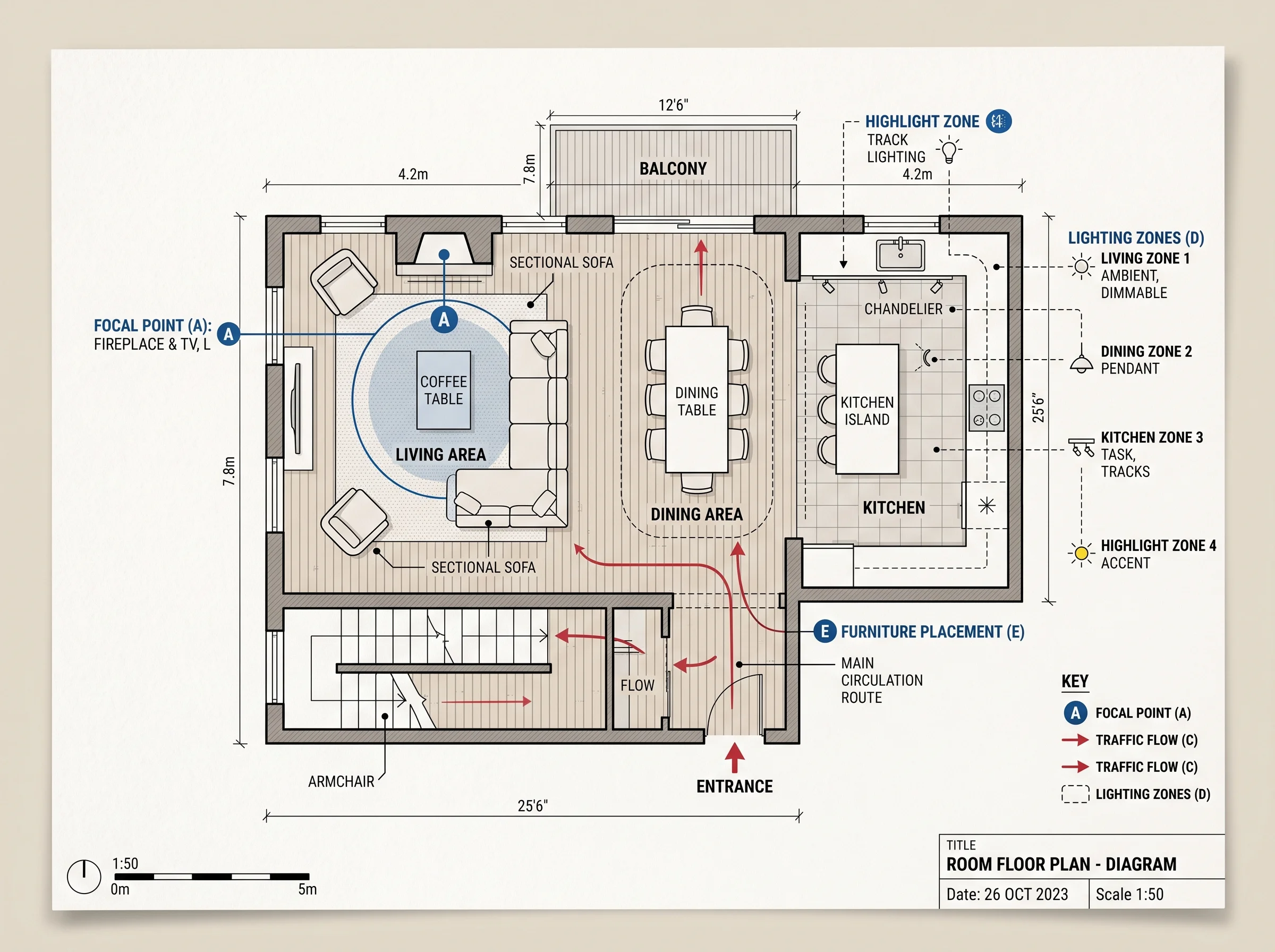
Natural light, traffic flow, focal points, scale, acoustics — the complete 12-factor professional planning checklist.
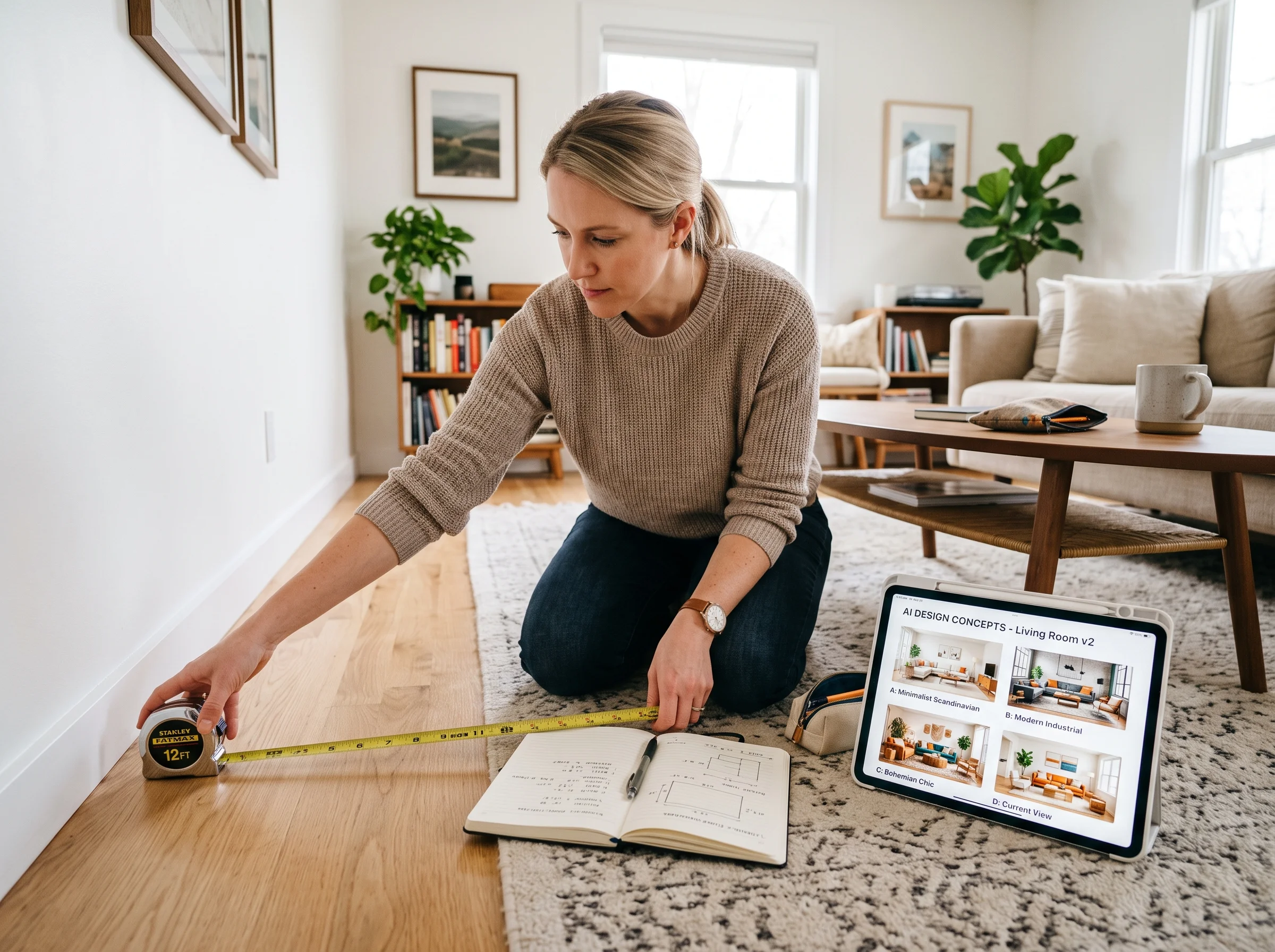
How to Prepare Your Space Before Meeting an Interior Designer
The better prepared you are, the less you spend on billable discovery. Including how AI concepts of your room cut briefing from weeks to one meeting.
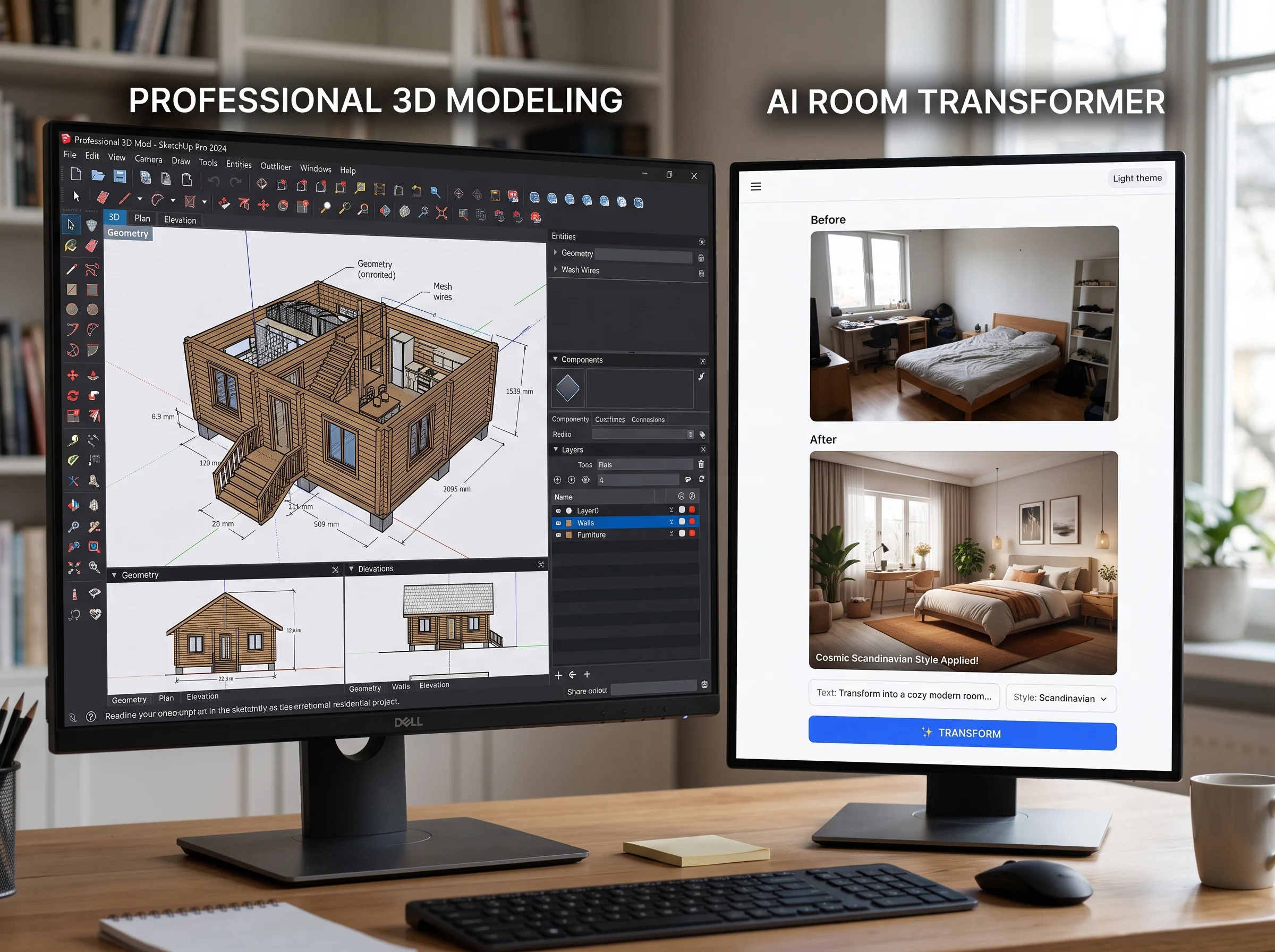
Interior Design Tools: AI vs Professional Software
SketchUp, AutoCAD, and V-Ray vs AI photo tools. What each produces, who it's for, and which gives homeowners more useful output.
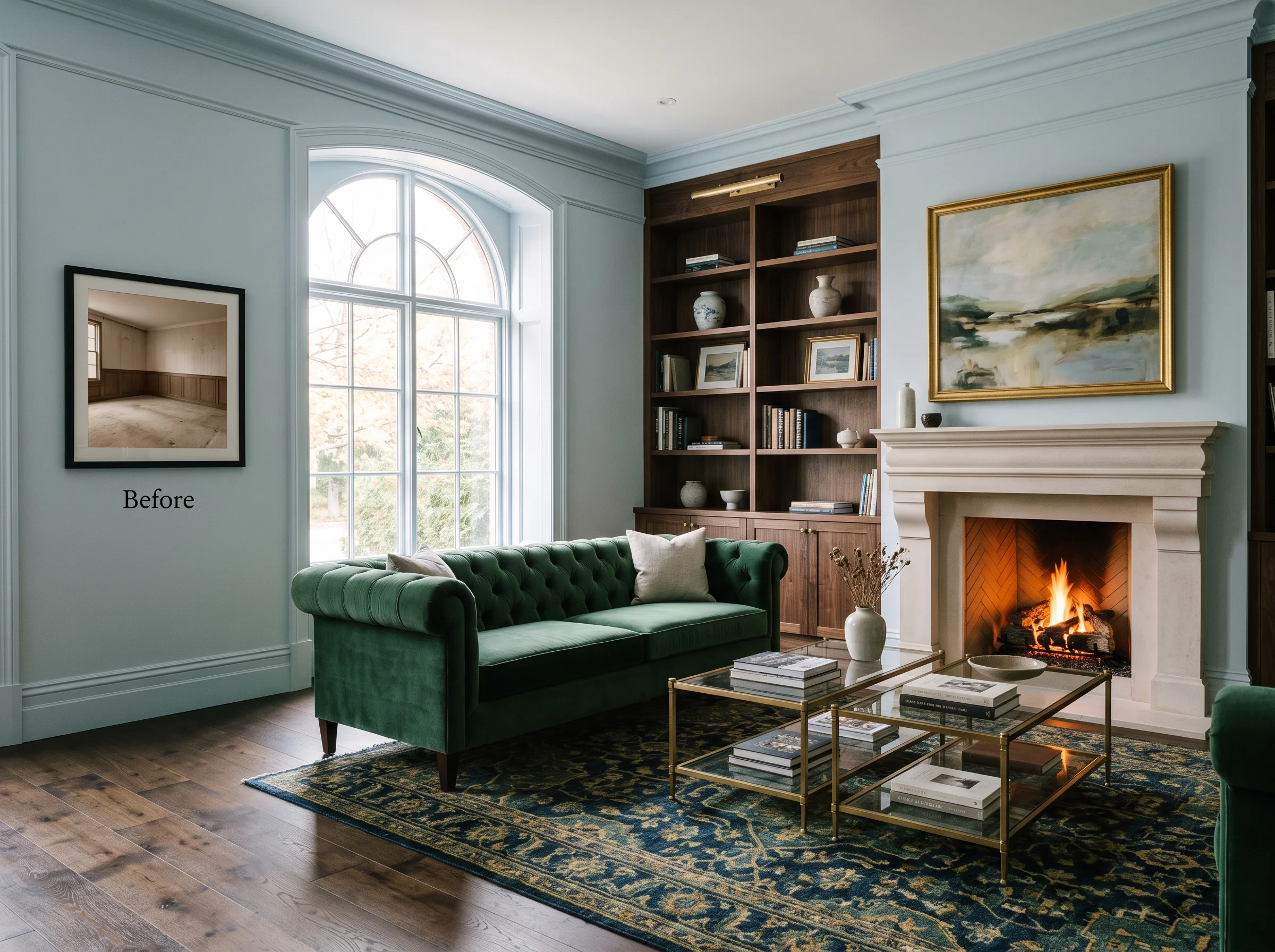
Do Interior Designers Add Real Value to Your Home?
Staged homes sell for 1-10% more. Designers prevent costly mistakes. The honest value framework — and when the math doesn't work.
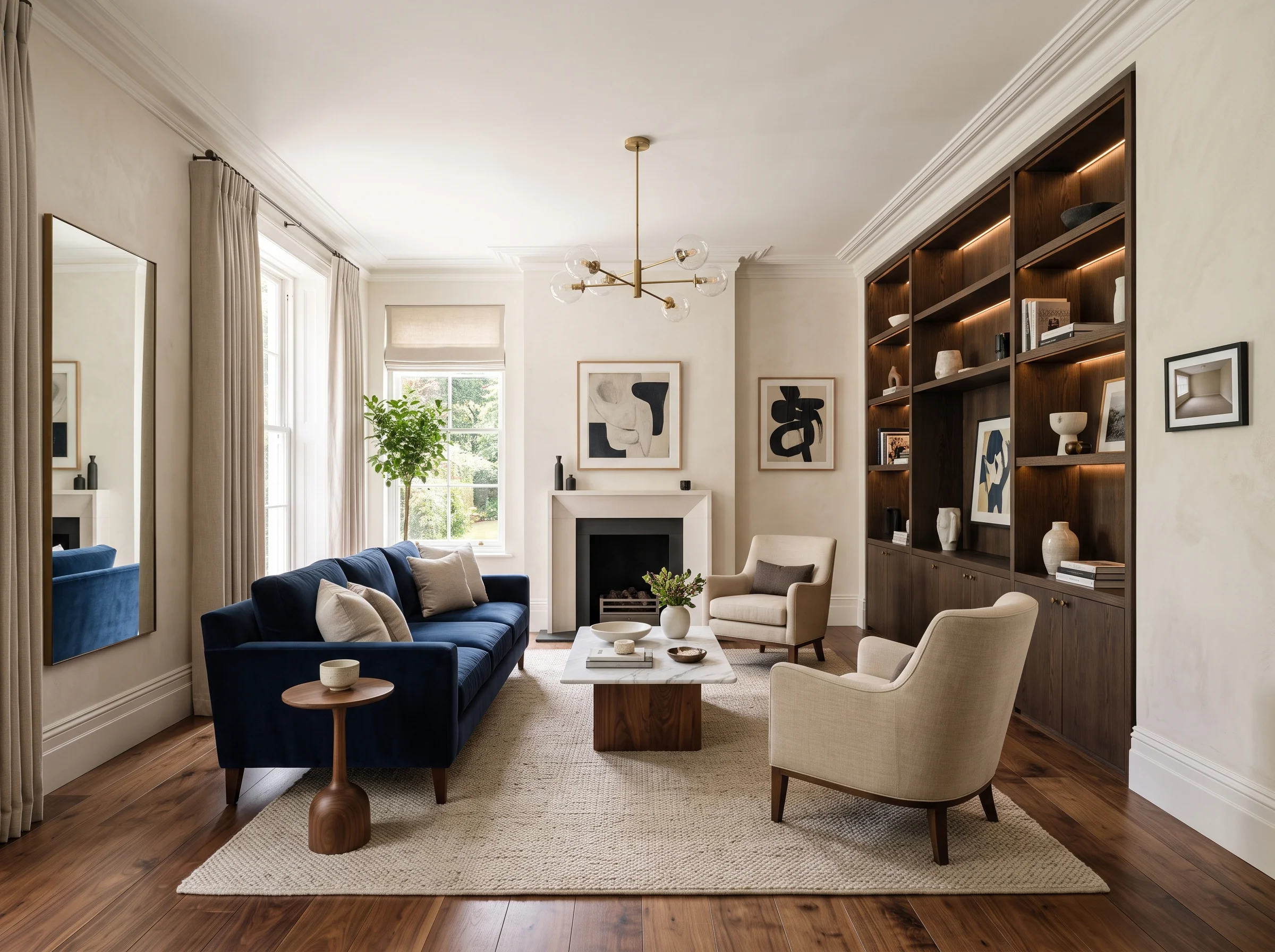
How Designers Create Cohesive Design Across Multiple Rooms
Color families, wood tone consistency, lighting hardware families — the 7 principles that make a home feel intentionally designed throughout.
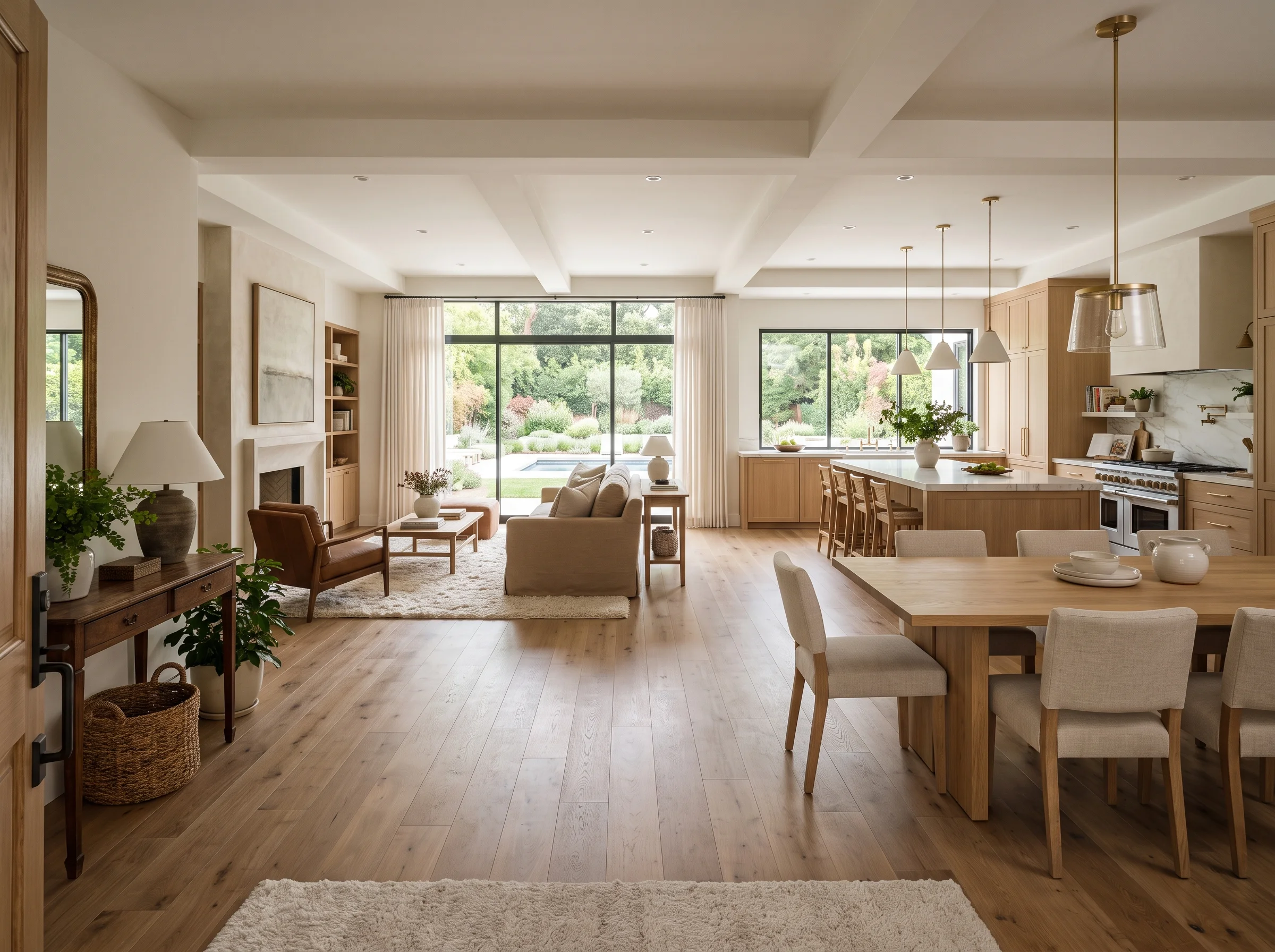
What's Missing When You Design With AI Alone?
AI handles visualization and style decisions. But material touch, structural knowledge, and contractor management still need humans.

How to Find the Right Interior Designer for Your Project
Finding a designer is easy. Finding the right one is harder. Use AI visuals of your room to filter for aesthetic fit before spending on consultations.
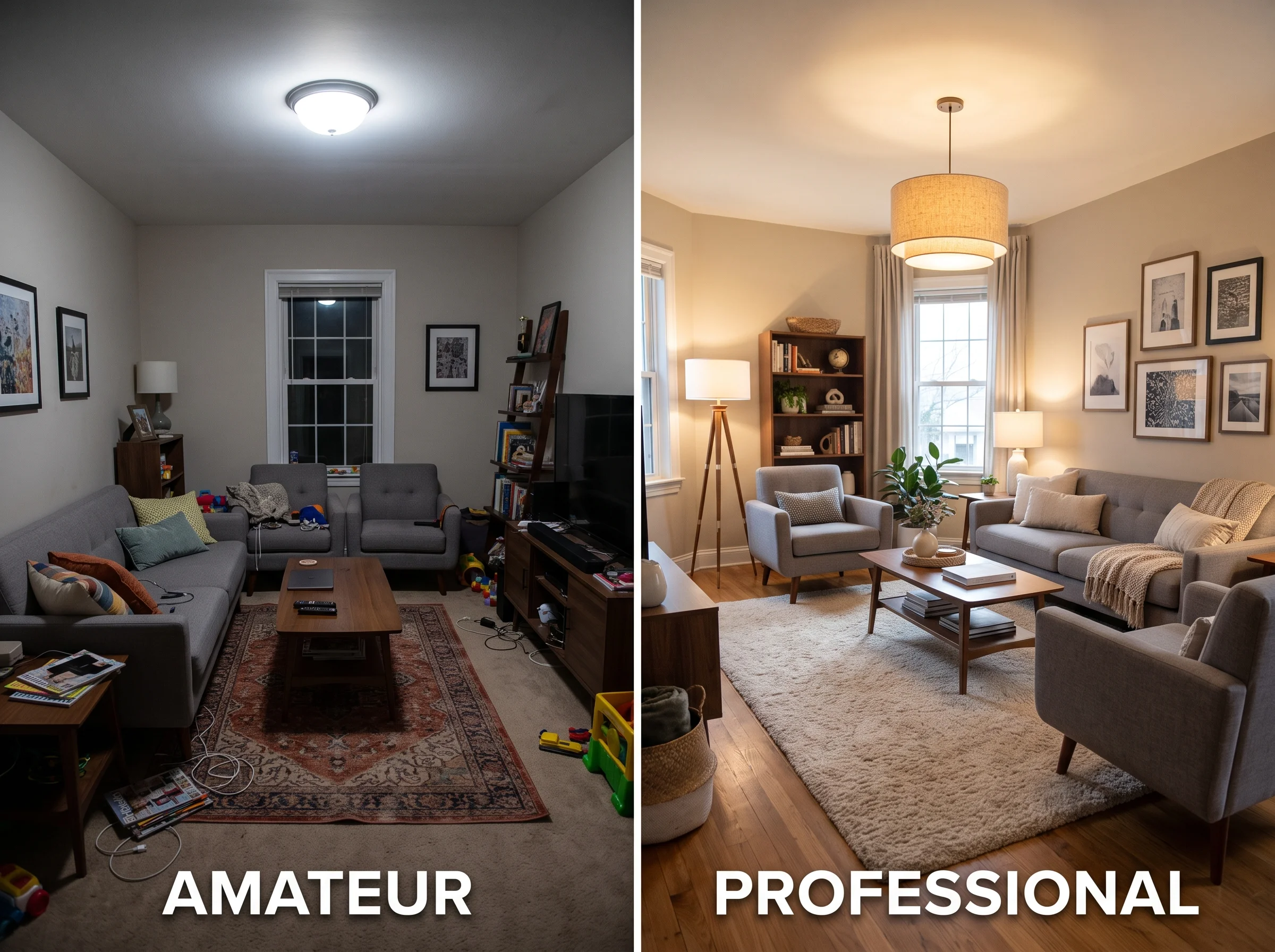
Why Some Rooms Look Professional and Others Don't
Scale errors, wrong rug size, overhead-only lighting, furniture against walls — the specific mistakes that make rooms look amateur and how to fix them.

Interior Design for Beginners: Where to Start Without Getting Overwhelmed
One room. One focal point. Largest to smallest. The professional sequence for your first project — see the full room with AI before buying anything.
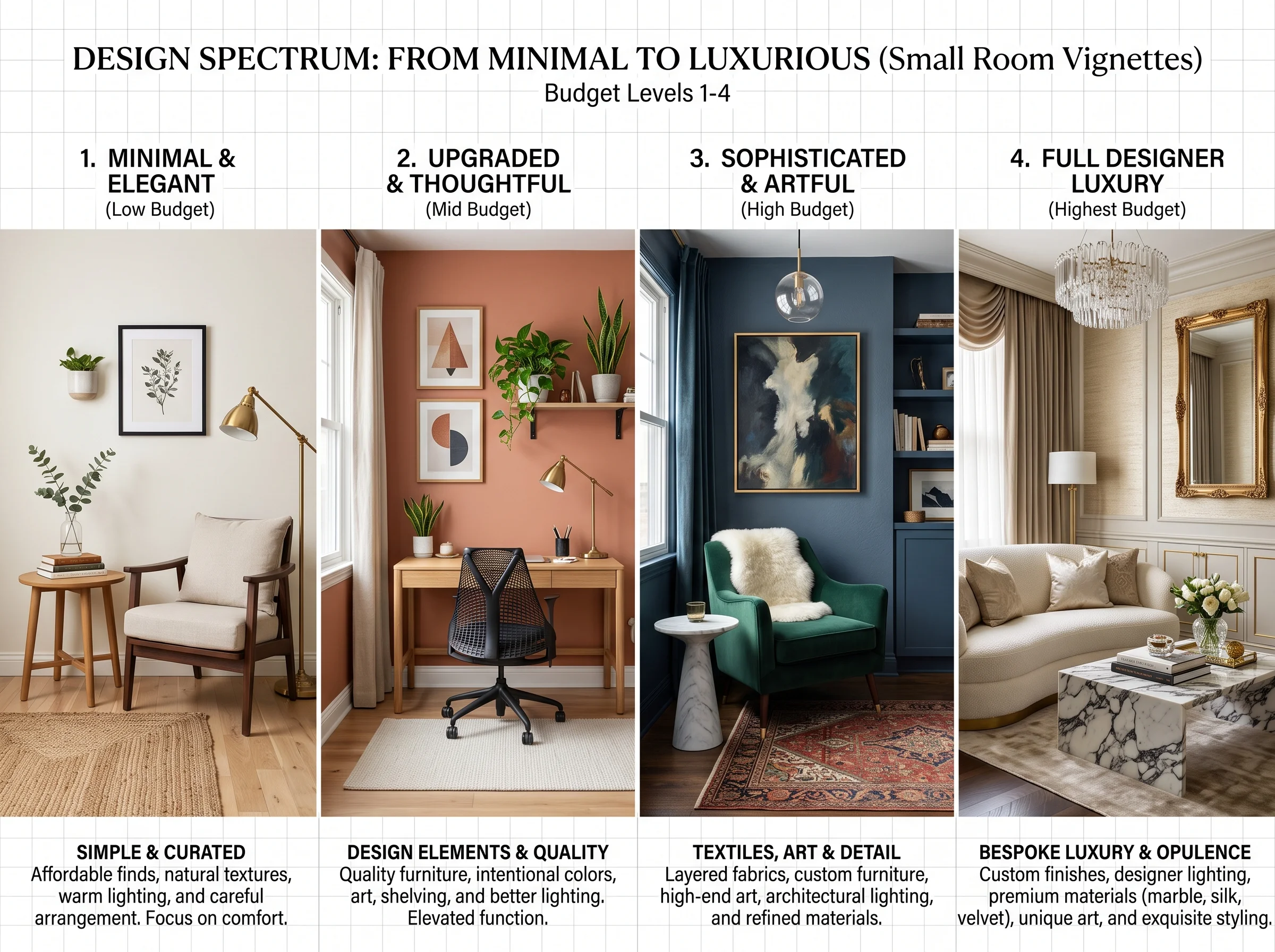
How Much Should You Budget for Interior Design Services?
From $0 AI tools to $30,000+ full service — what each level actually delivers and how to match service to your project's real needs.

Can AI Understand Your Personal Design Style?
AI shows you 50 style directions instantly. It can't yet learn your specific taste over time. Here's where personalization stands today — and how to get the most specific results.
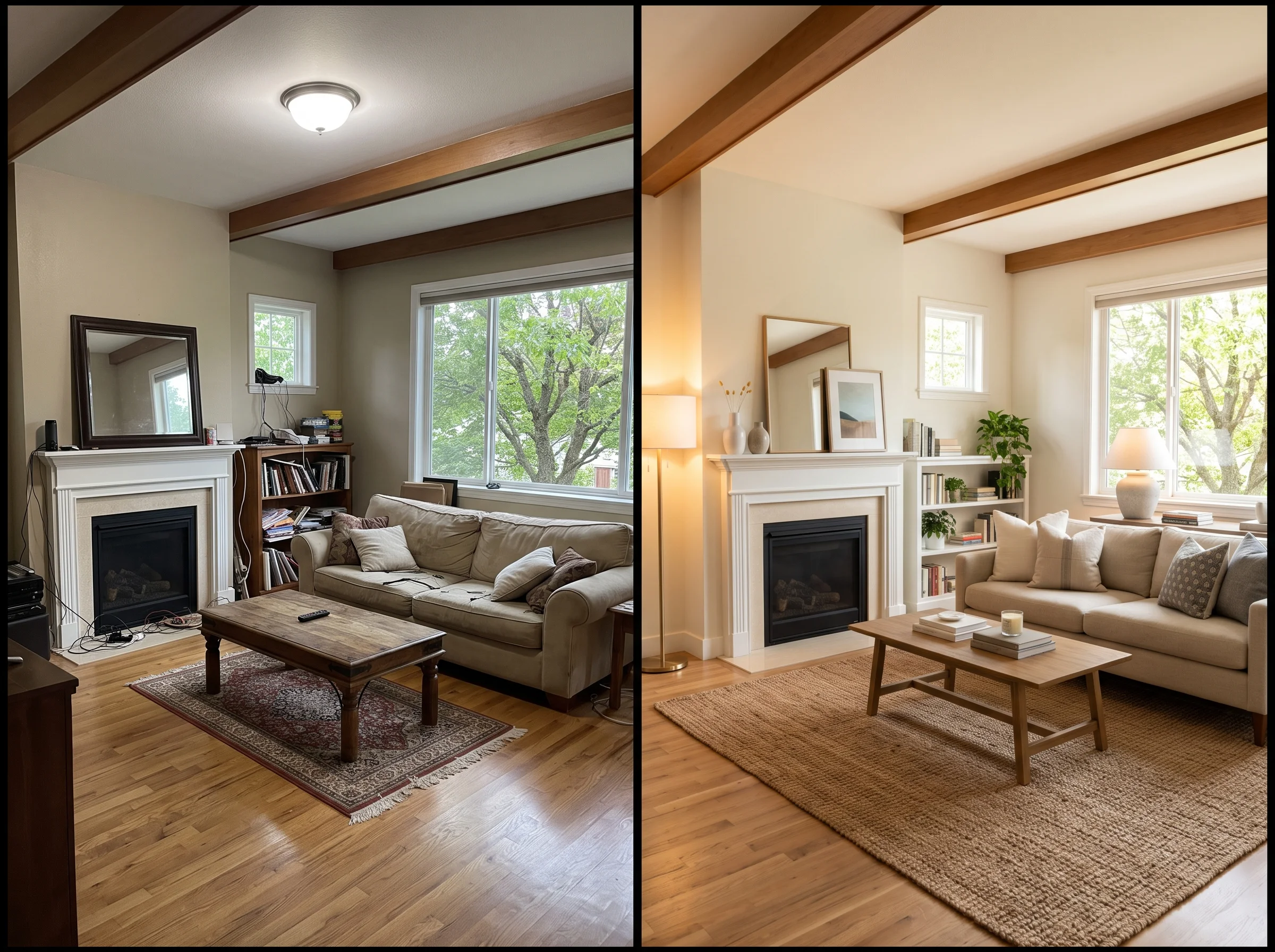
What Separates Good Interior Design From Mediocre Design?
Visual hierarchy, restraint, texture contrast, light obsession — the 7 specific qualities that make rooms feel carefully considered vs randomly assembled.
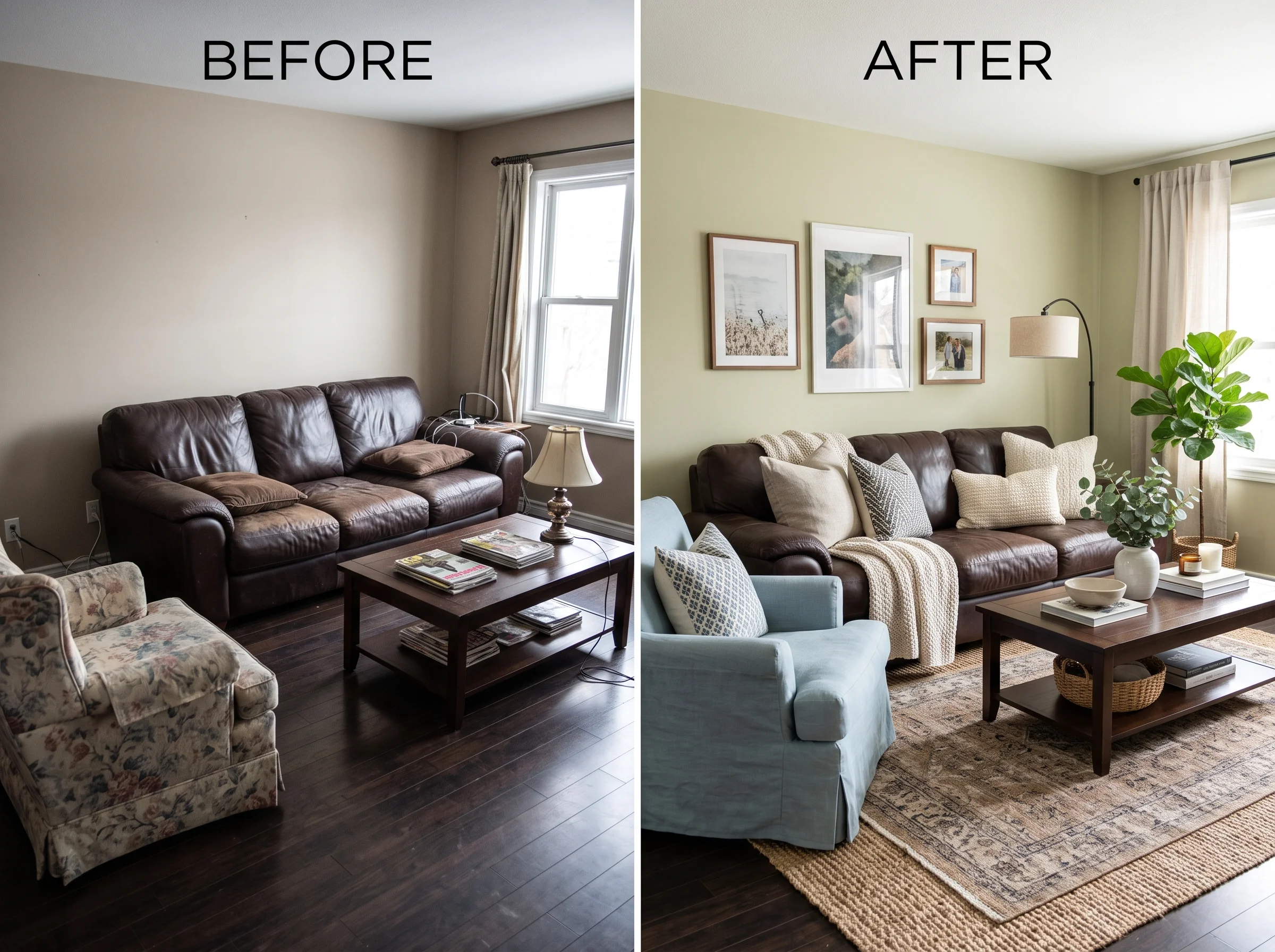
How Designers Work With Your Existing Furniture and Decor
Good designers don't tell you to throw everything out. Scale test, quality check, style compatibility — the professional assessment framework for what to keep.
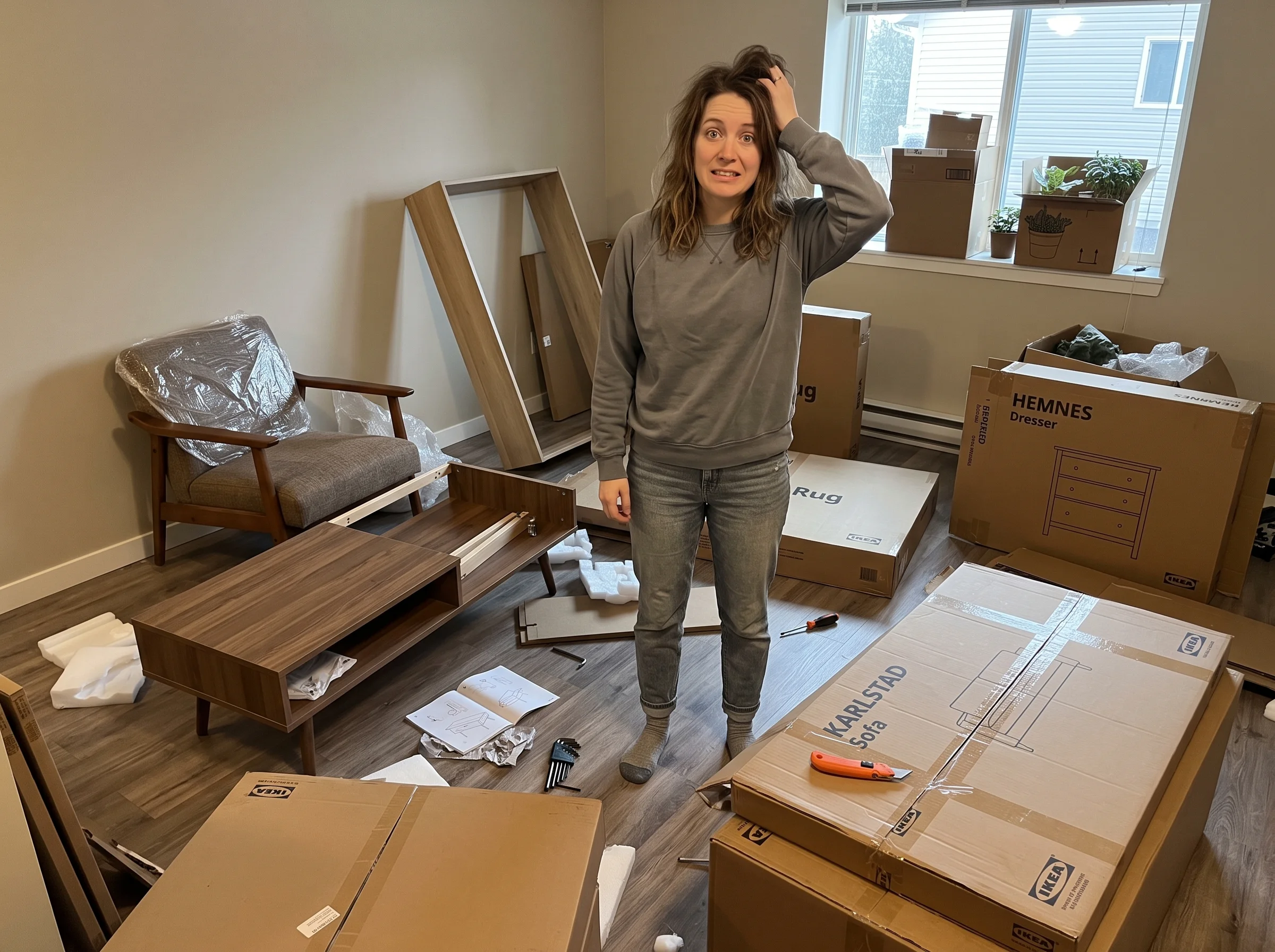
Interior Design: When DIY Fails and You Actually Need a Professional
Returned 3 sofas? Can't make a decision? Renovation stalled? The specific signals that tell you it's time to stop DIYing and call a professional.

Home Renovation Planning: Where to Start and the Costly Mistakes to Avoid
Blown budgets, decision paralysis, regret after commitment. The 7 most expensive renovation mistakes — and how visualizing the result first de-risks every choice.

How to Make a New House Feel Like Home
Just moved in? A room-by-room guide to turning an empty new house into a warm, personal home — fast, on any budget, and renter-friendly where you need it.
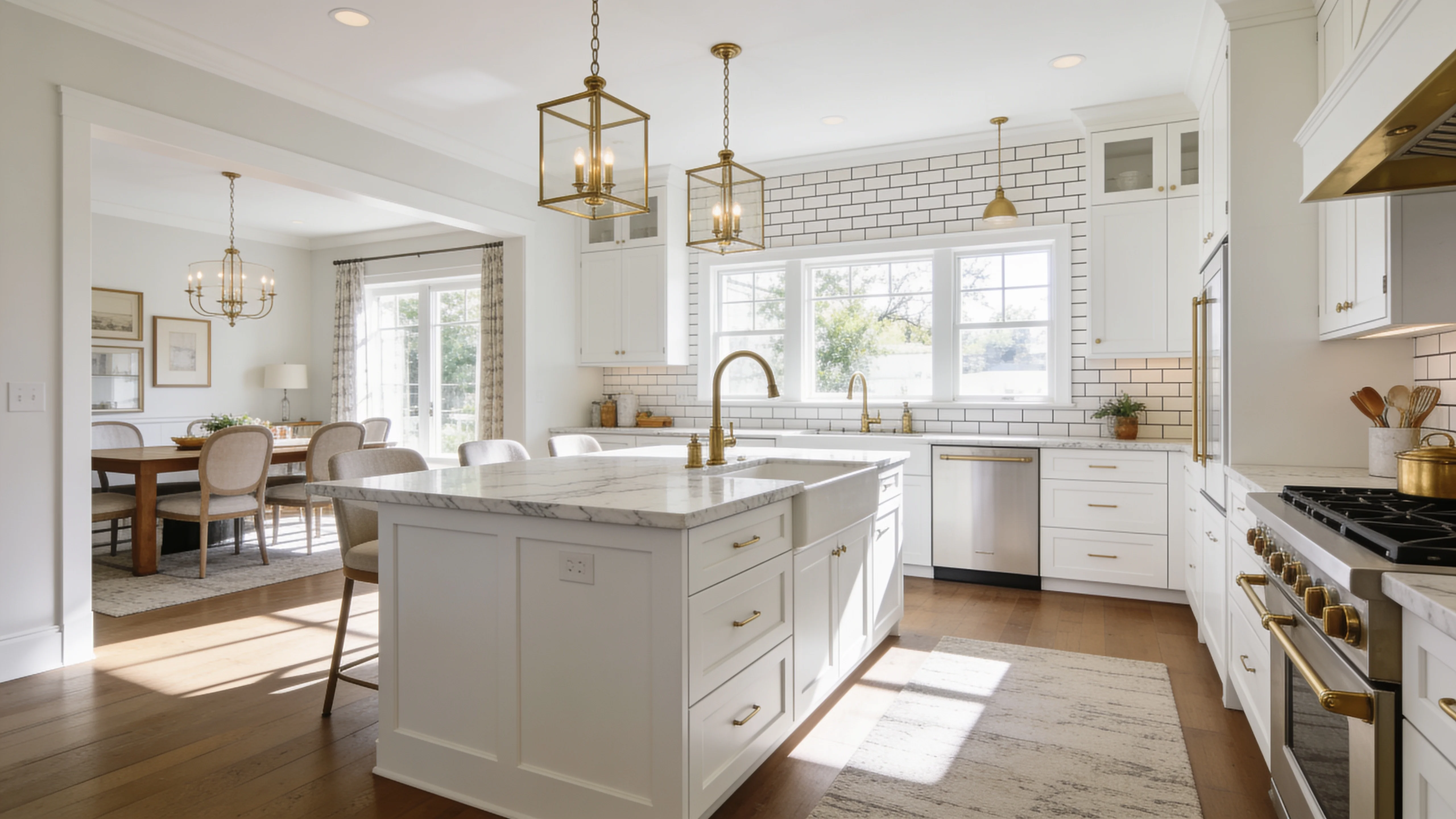
Kitchen Design Ideas: Reimagine Your Kitchen with AI Before You Remodel
Kitchen design ideas for every layout and budget — styles, cabinet and counter pairings, small-kitchen tricks, and how to preview it all on your own photo.
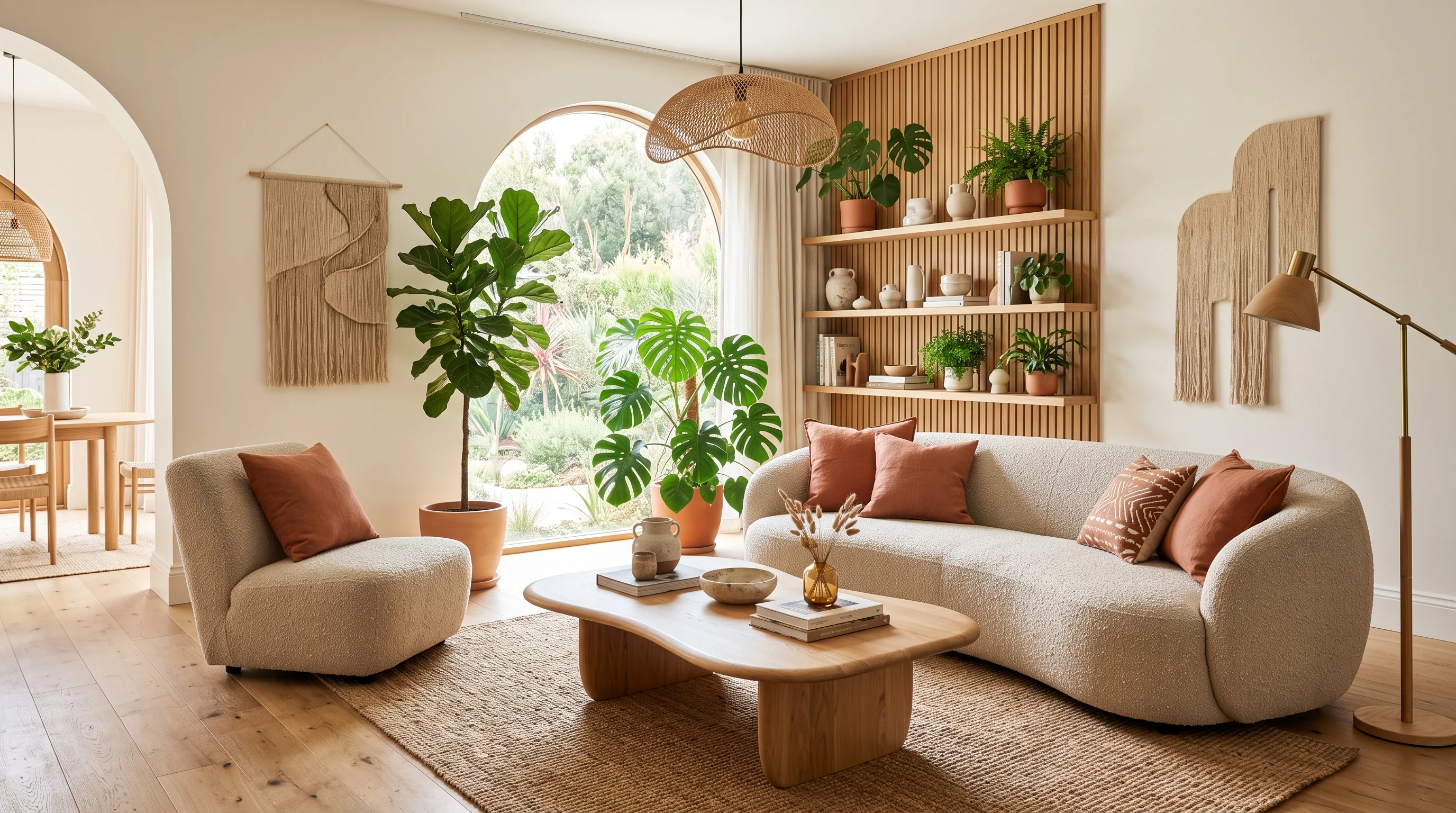
Interior Design Trends 2026: What's In, What's Out, and What's Worth Committing To
Biophilic design, sustainability, warm minimalism, and richer color — plus what's fading, and how to test each 2026 look on your own room.
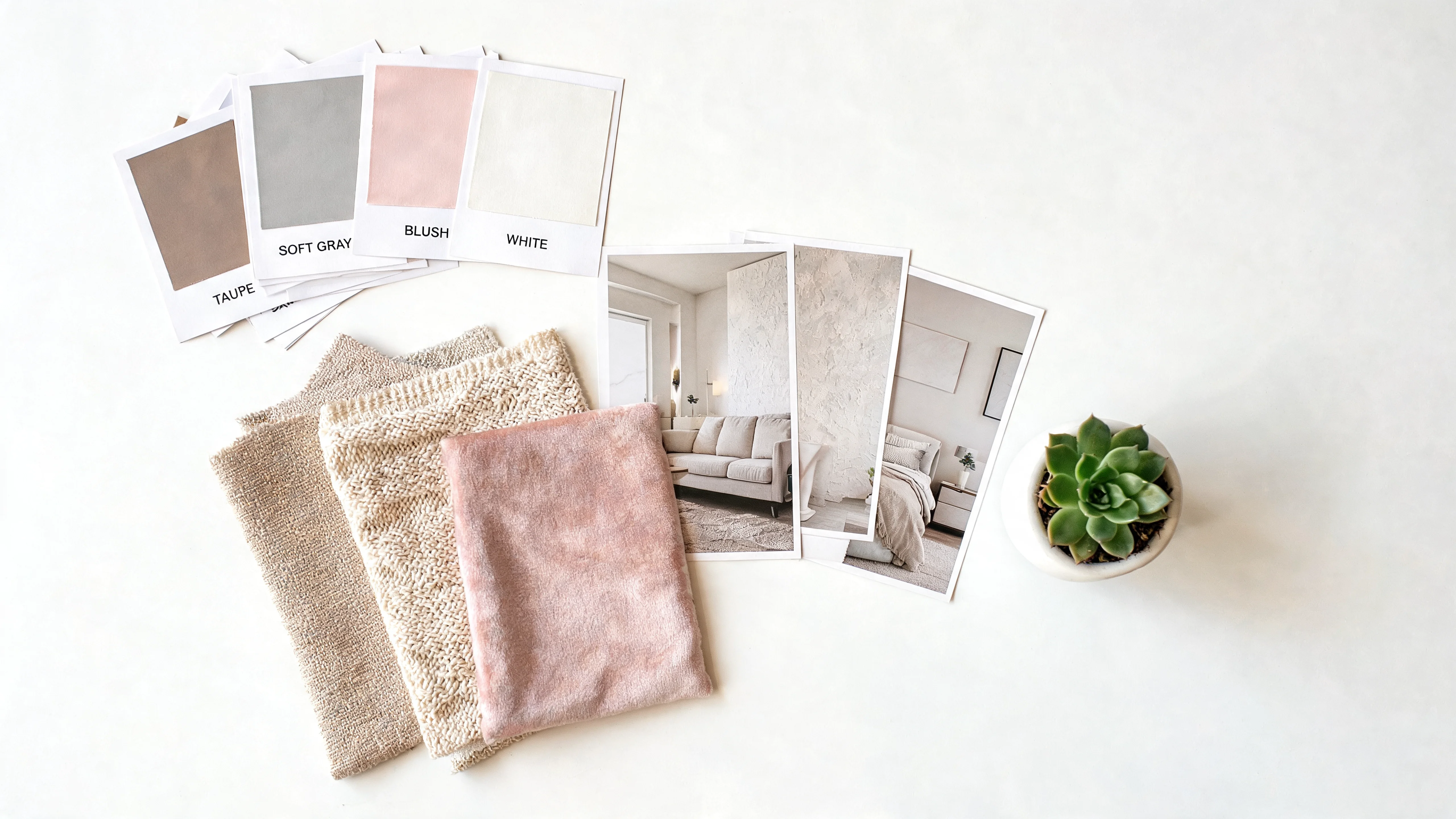
Designing From a Photo: How to Turn Inspiration Images Into Your Real Room
Hoarding Pinterest boards you can't act on? Learn to read reference images and apply the look to your own space — then let AI merge the two.
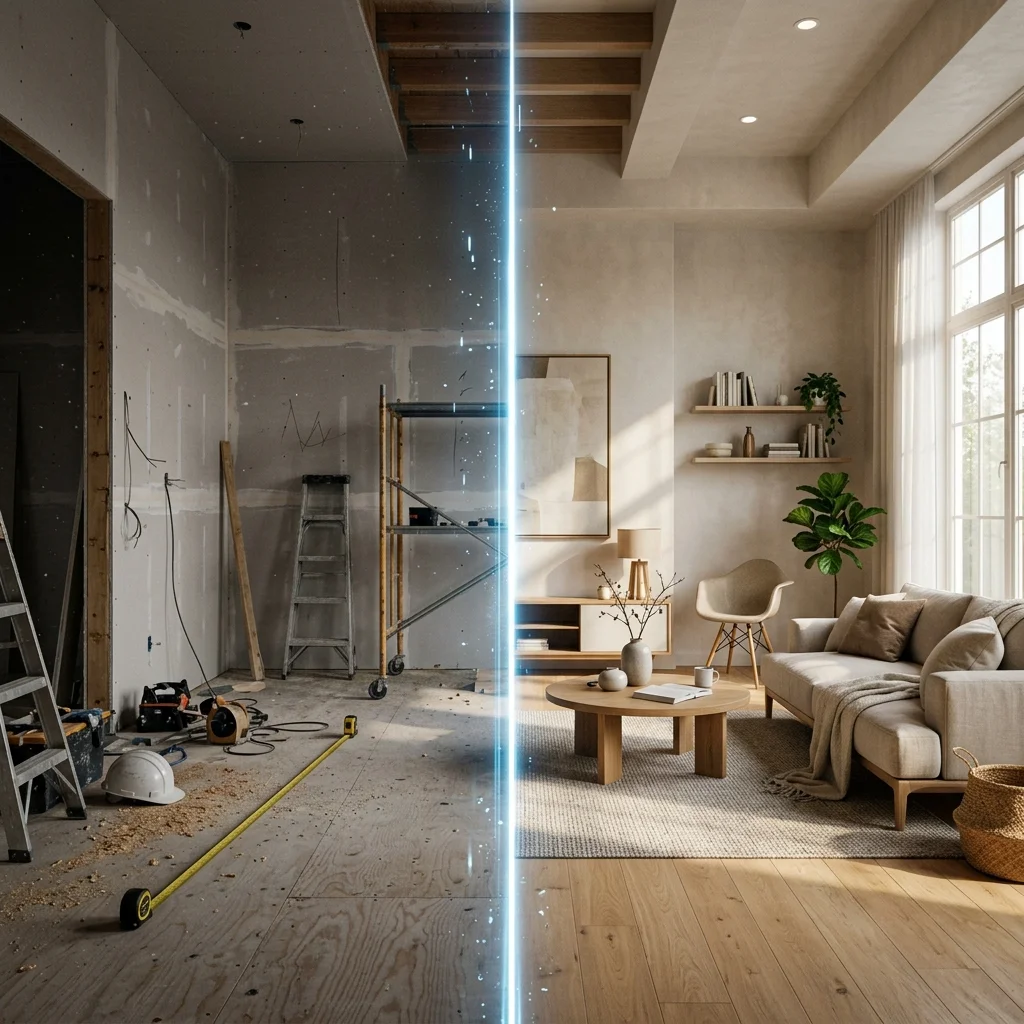
Should I Hire an Interior Designer or Use AI?
A designer took me a week just to describe what my space could look like. They outsource the visualization part — the most important part. Here's the honest comparison.
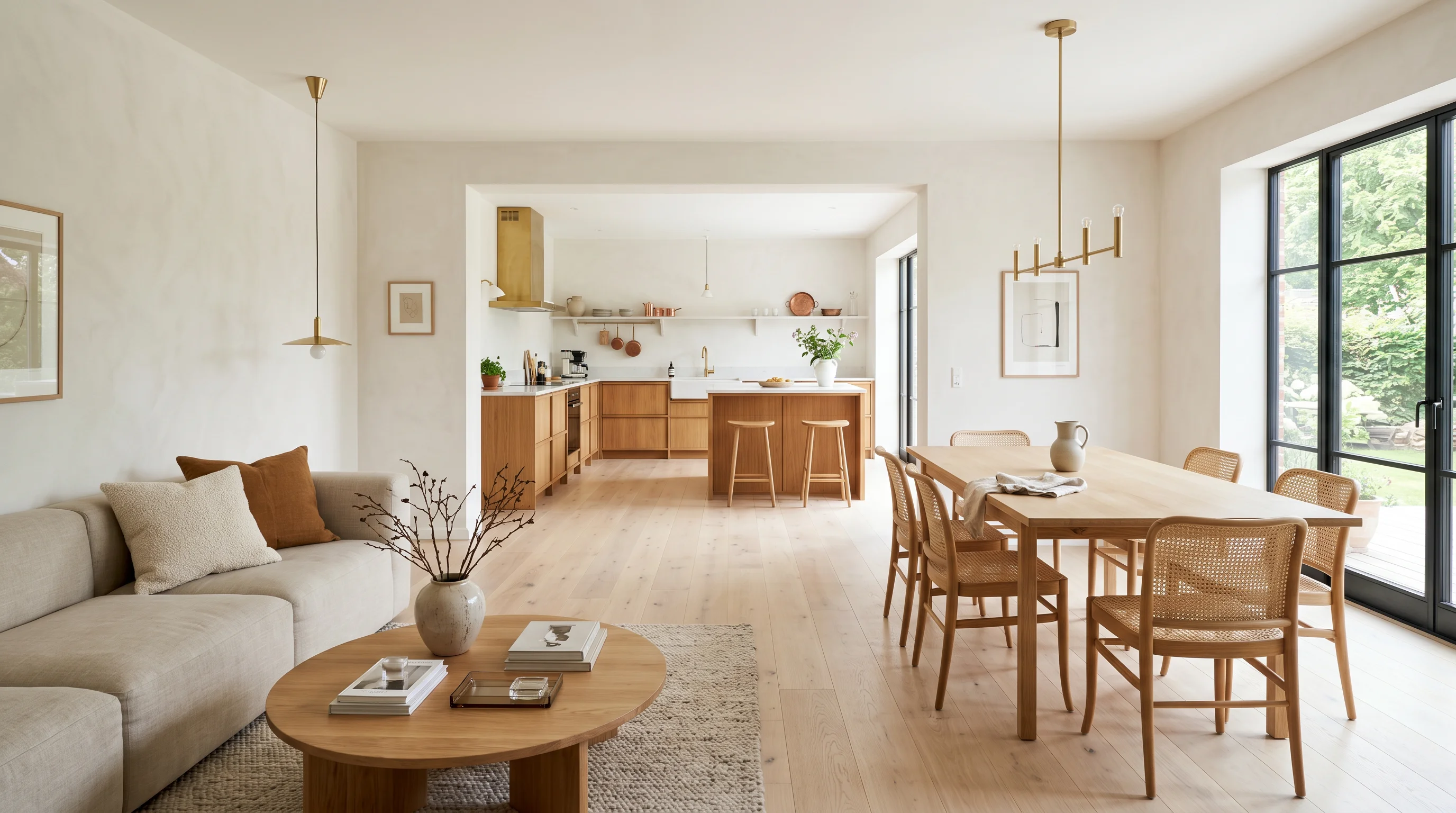
Can AI Design My Whole House?
AI can handle more than most people think, and less than marketing implies. Honest breakdown of what works room-by-room and where you still need a human.
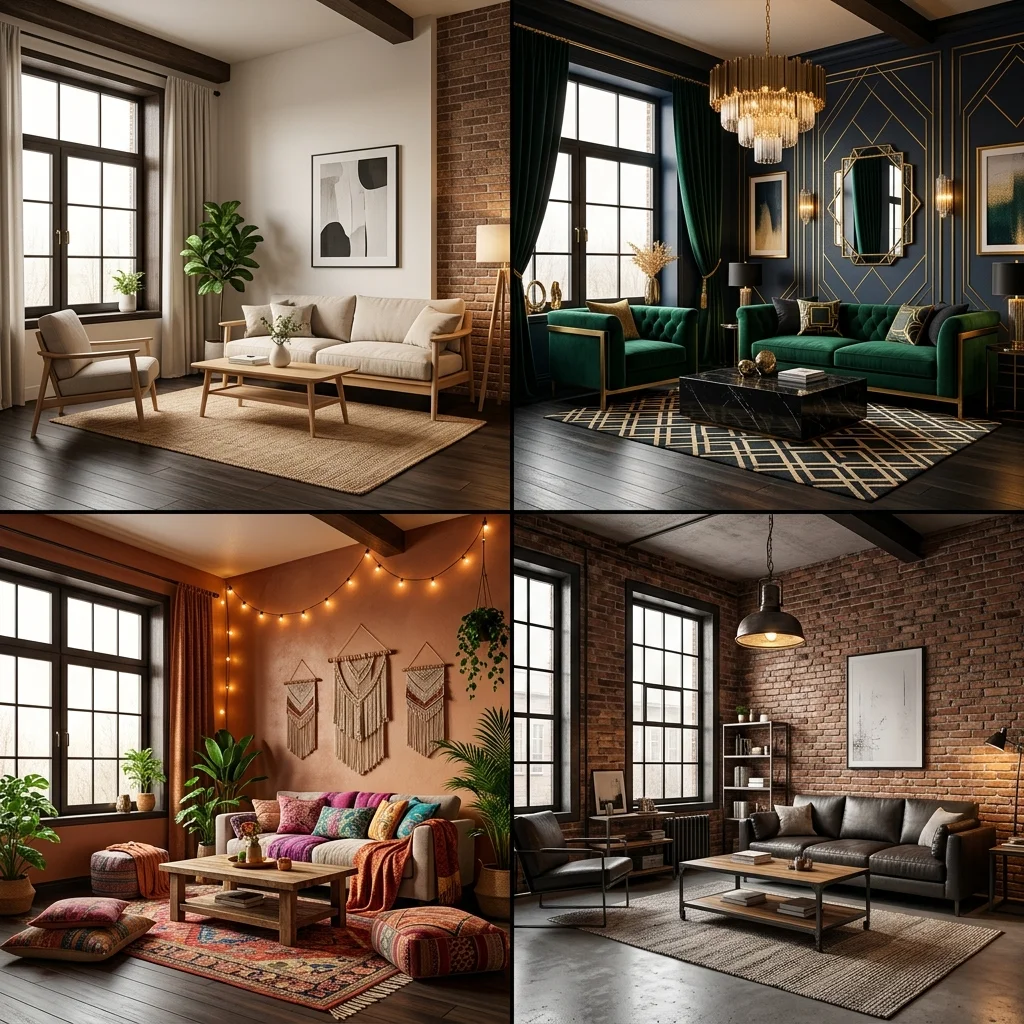
How Much Does an Interior Designer Cost vs AI Tools?
The price gap isn't 2x or 3x. For visualization — what most homeowners actually need — it's closer to 100x. Full breakdown with real numbers.
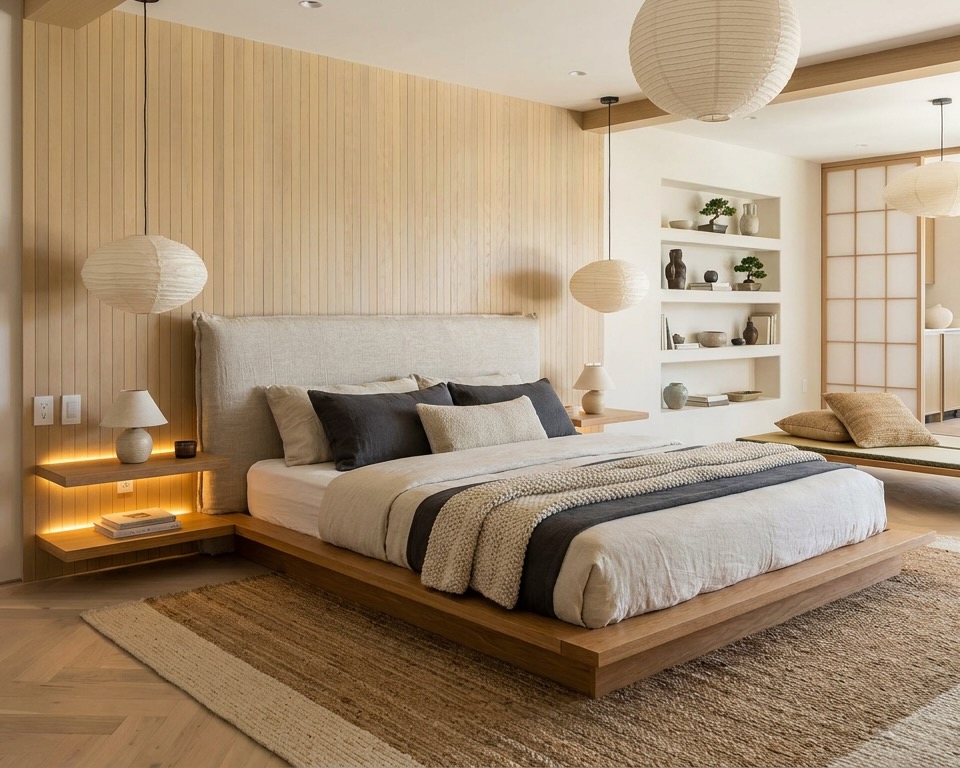
Japandi Interior Design: The Japanese-Scandinavian Style That Makes Rooms Feel Calm and Warm
The Japandi aesthetic combines Japanese wabi-sabi with Scandinavian hygge. Here's what it actually means and how to achieve it.
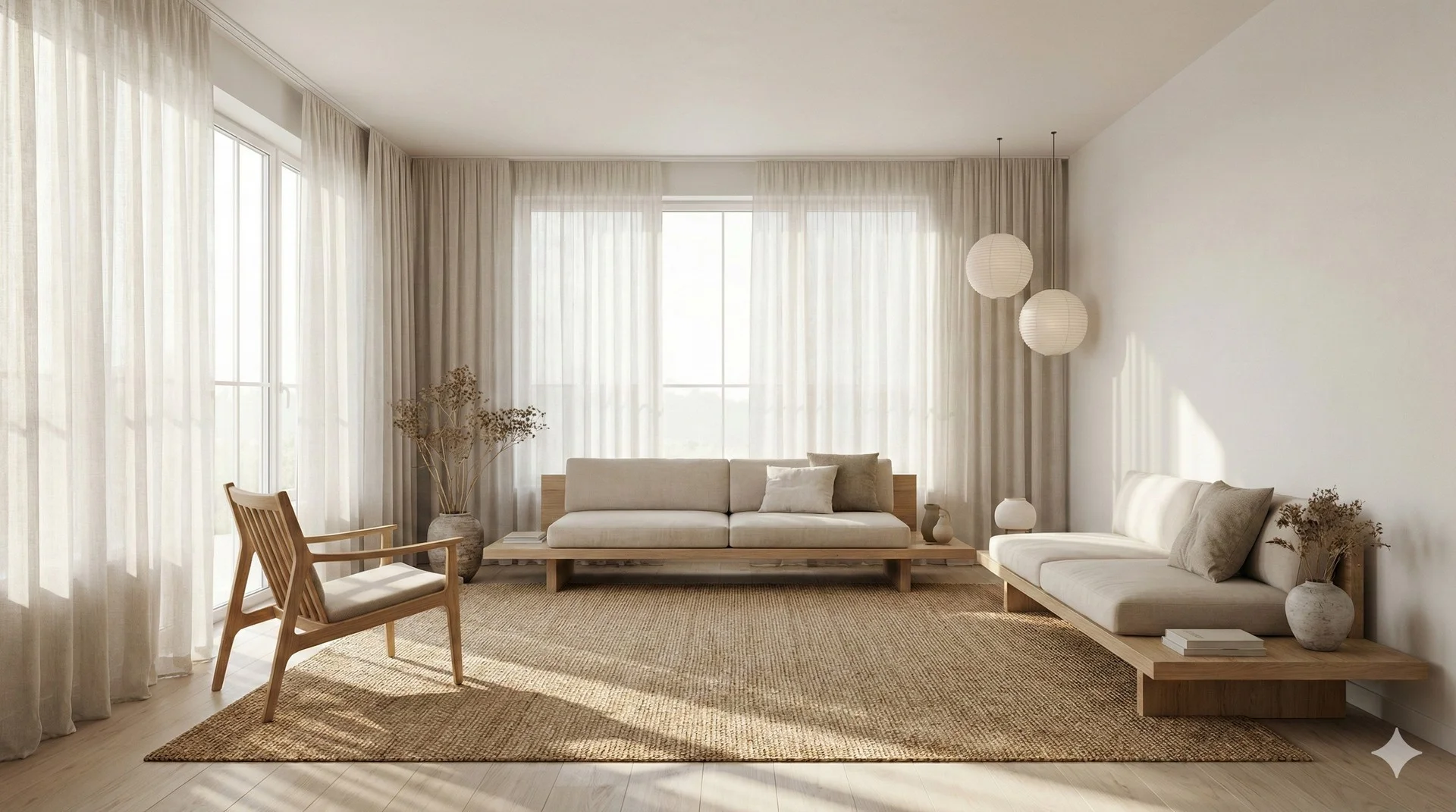
Minimalist Interior Design: What It Actually Means (And How to Do It Without Making Your Home Feel Empty)
The difference between minimalism and a sparse room is everything. Here's the design philosophy and how to apply it.
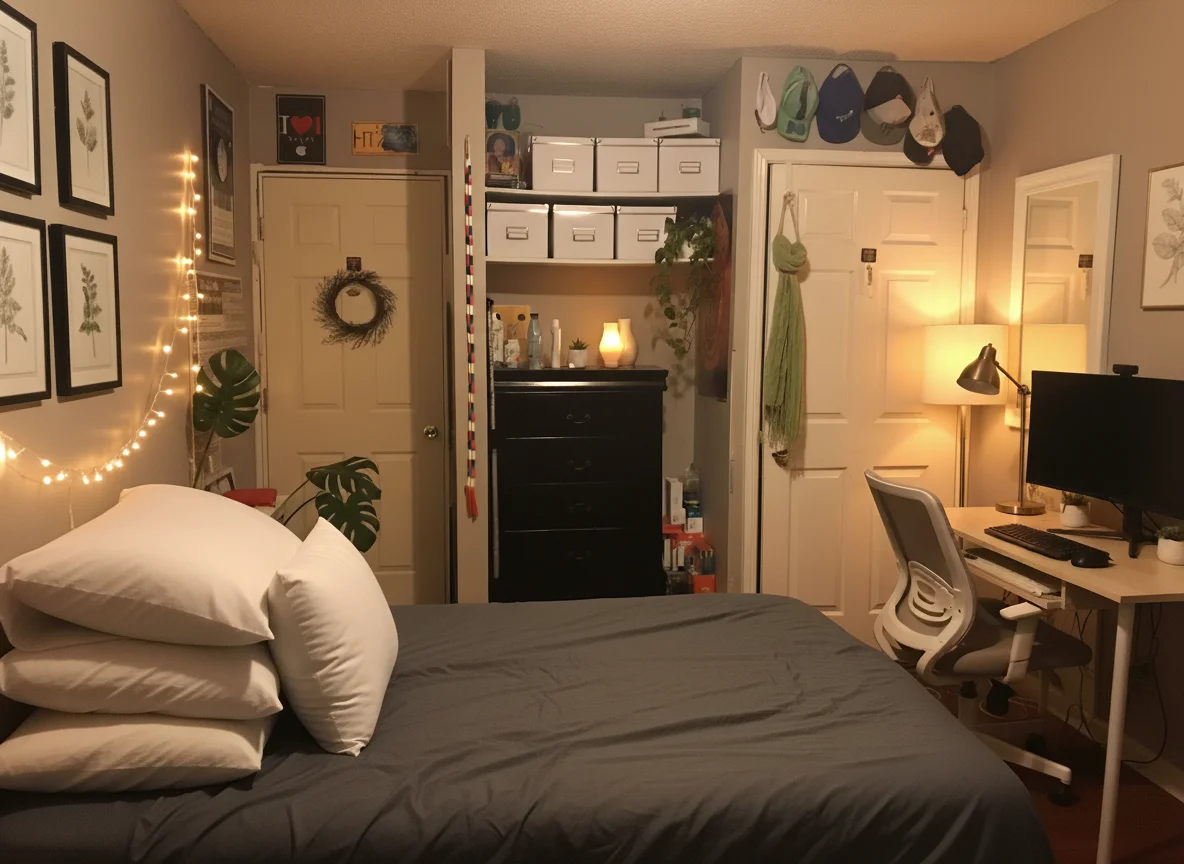
AI Bedroom Design: Transform Your Bedroom With AI Before Moving a Single Piece of Furniture
Bedrooms are uniquely hard to redesign. AI visualization shows you exactly how different layouts, palettes, and styles look in your space.
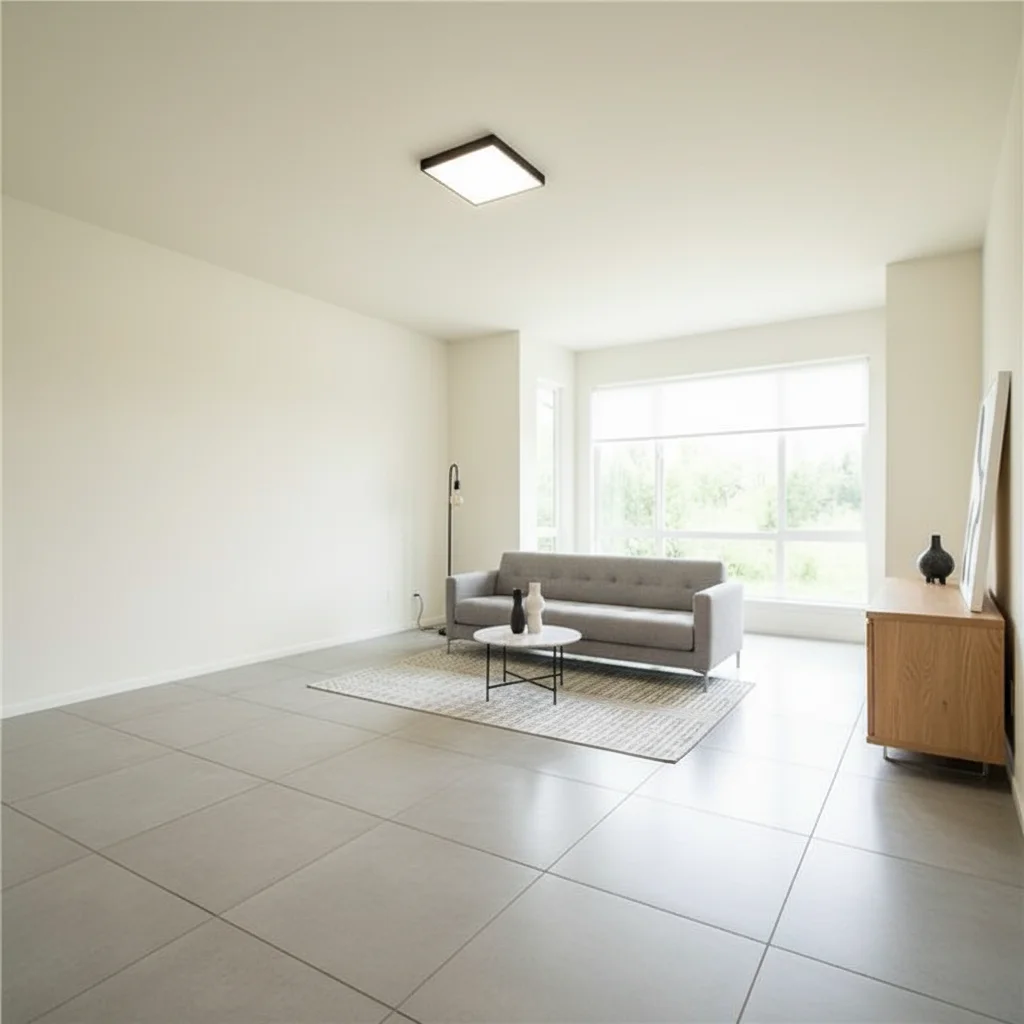
AI Living Room Design: See Your Living Room Completely Transformed Before You Move Anything
Living rooms are the hardest room to redesign — multiple furniture pieces, highest visibility. See every option before committing.
The Best AI Interior Design Tools in 2026: Tested and Compared
Decorb, RoomGPT, Midjourney, Planner 5D, Houzz — tested and compared. Which tool is right for your specific need?
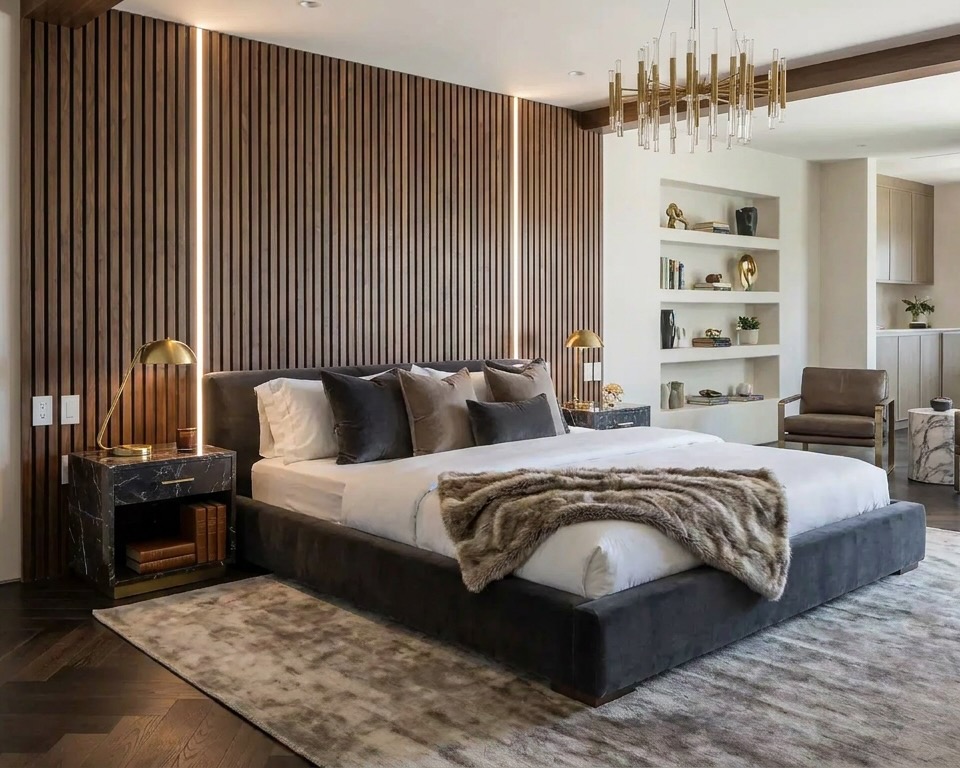
Interior Design Styles Guide: Every Major Aesthetic Explained with AI Examples
Minimalist, Japandi, Mid-Century Modern, Bohemian, and 9 more styles explained. Discover your style and see it in your actual room.
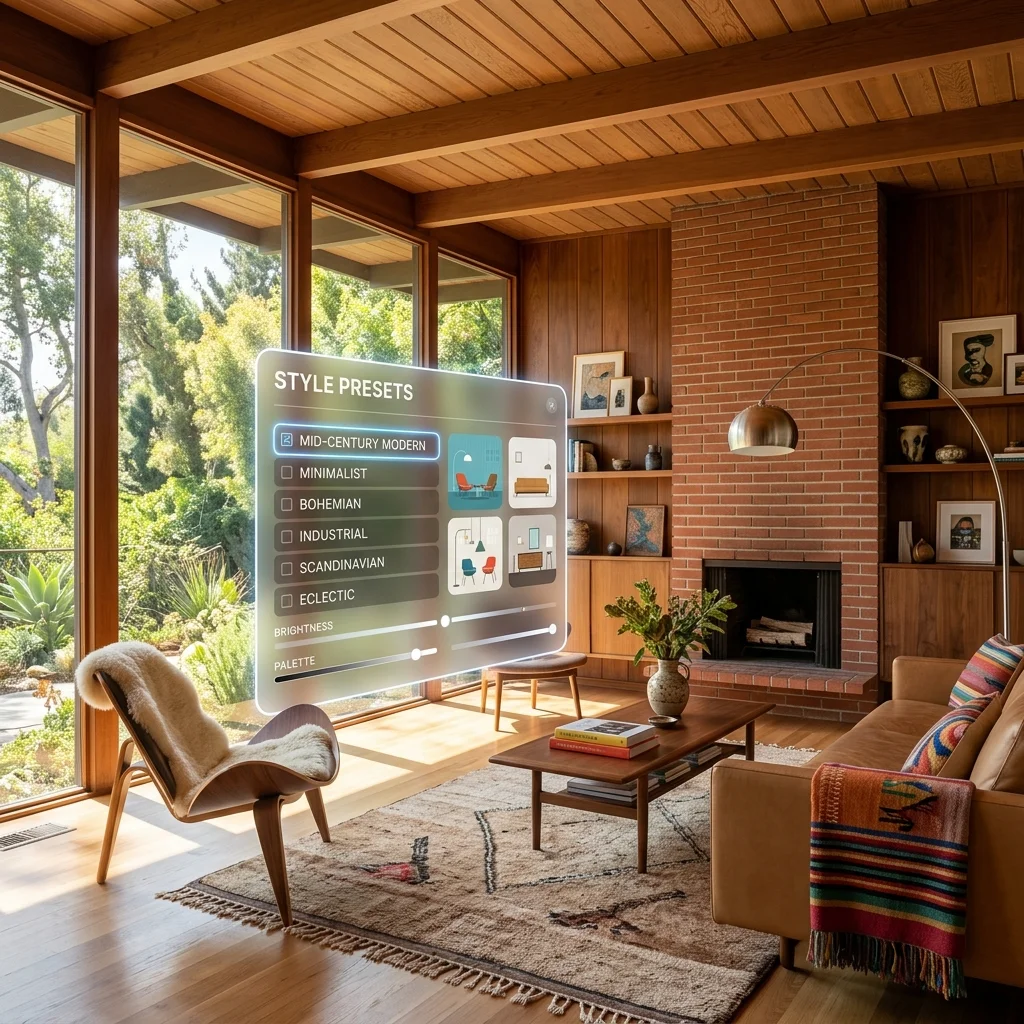
The Complete Guide to AI Interior Design: Redesign Any Room in 30 Seconds
Everything about AI room design — how it works, which tools to use, and how to get photorealistic results from your first upload.
20 AI Interior Design Prompts That Actually Work (Tested on Real Rooms)
We tested 20 prompt styles on real rooms across 5 different design aesthetics. These are the exact phrases that consistently produce photorealistic, usable results.
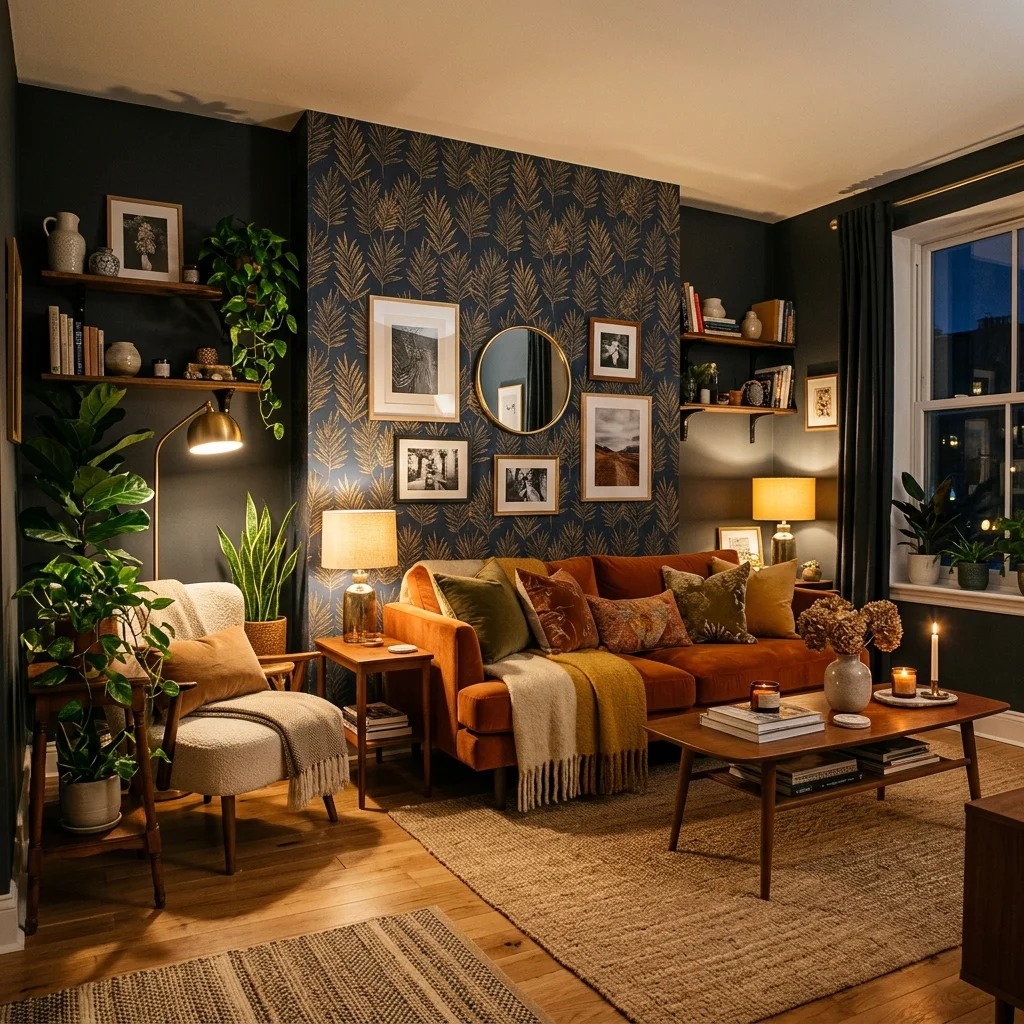
The Renter's Guide to AI Room Design: Transform Your Space Without Touching a Wall
You can't paint, you can't renovate — but you can completely transform your rented space. Here's how to use AI design to live beautifully within your restrictions.
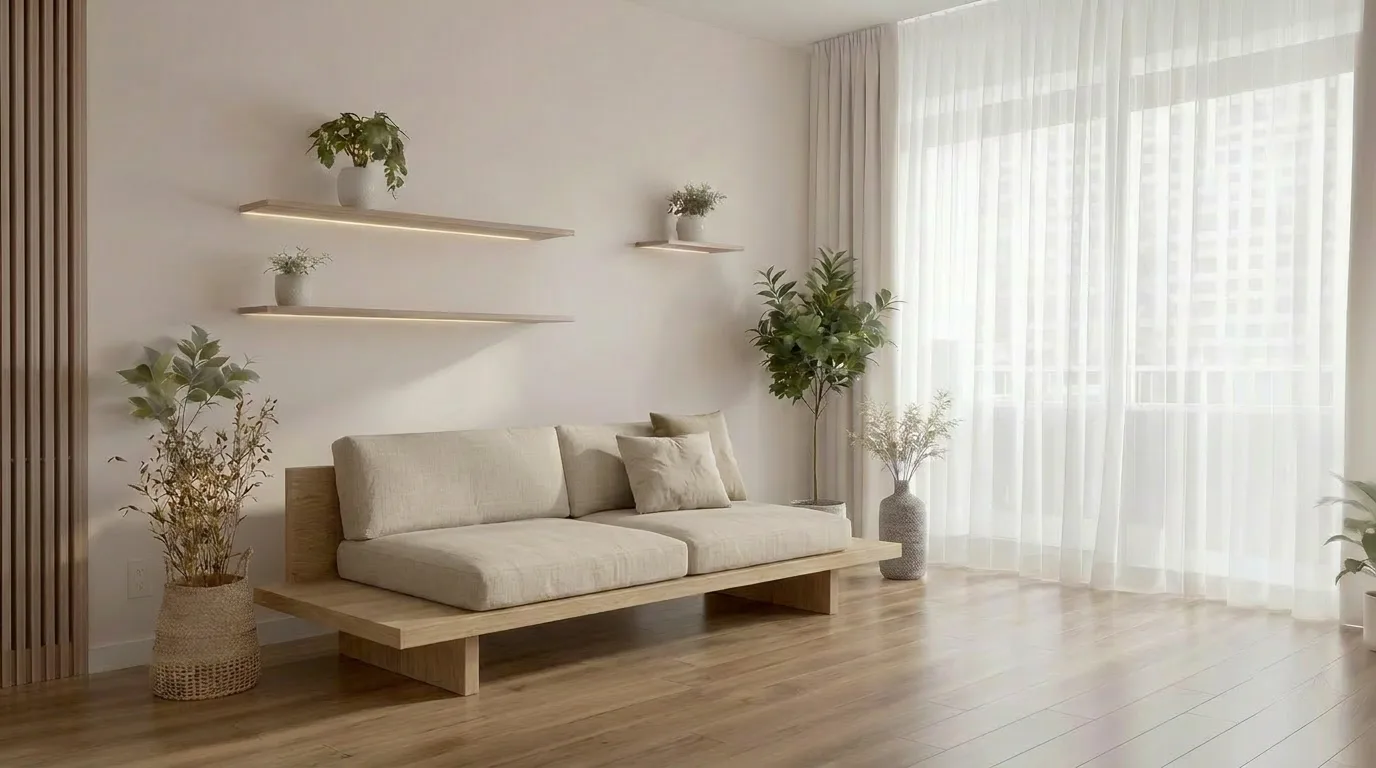
Stop Guessing: See Your Room Transformed Before Buying a Single Piece of Furniture
How AI visualization eliminates the most expensive mistake homeowners make — buying furniture that doesn't work in the actual space.