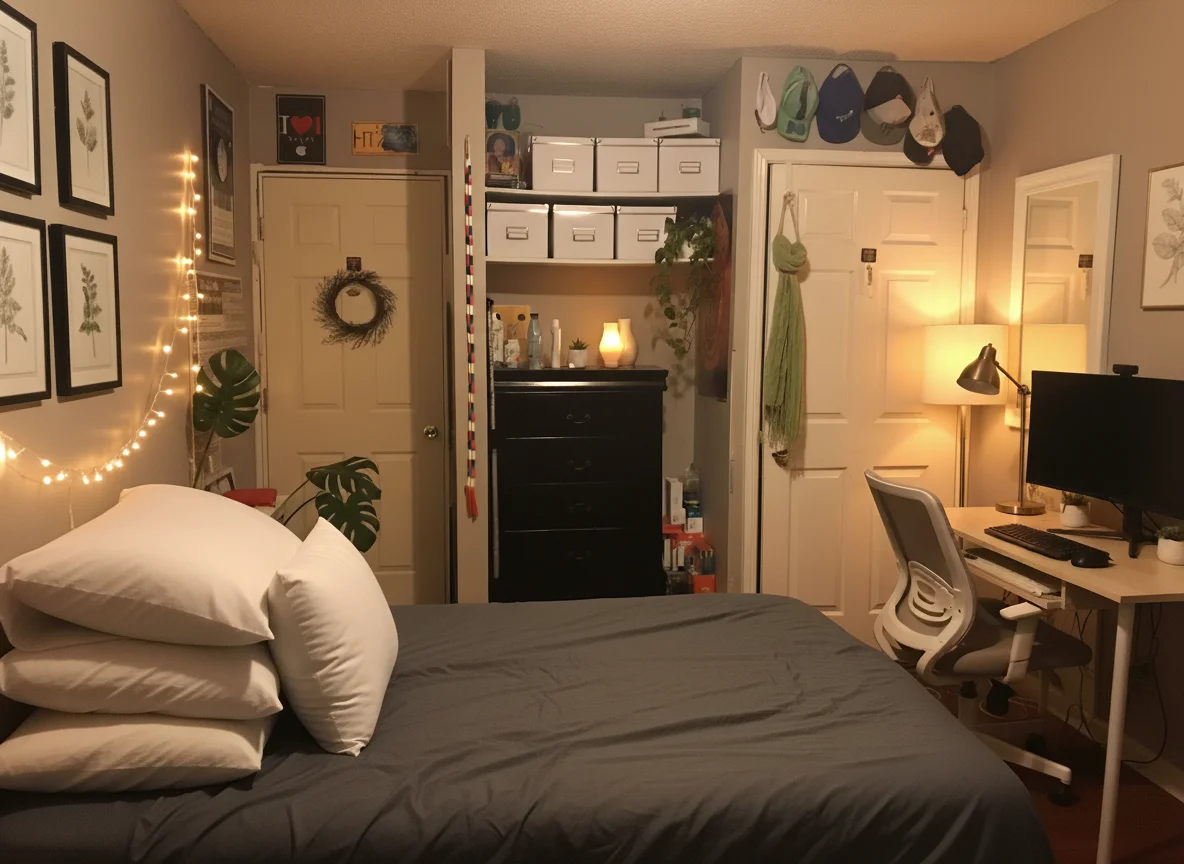
The bedroom is the hardest room in the house to redesign, and almost nobody admits it. Living rooms have to entertain. Kitchens have to function. The bedroom has to do something more demanding than either — it has to let you sleep. The aesthetic stakes are emotional in a way the rest of the house is not. A bedroom that looks beautiful but feels wrong is a slow daily punishment. A bedroom that gets it right is the most restorative space in your home.
This is exactly the kind of room where AI visualization earns its keep. Bedrooms are intimate enough that you cannot trial-and-error your way through them — the disruption of buying, returning, and re-buying a headboard or a bed frame is not a casual exercise. Seeing your actual bedroom rendered in three or four different directions, before you commit to any of them, removes the single biggest source of redesign regret. This guide is the practical workflow.
Why Bedrooms Are Uniquely Hard to Redesign
Three reasons your bedroom is harder than the rest of your home, and worth thinking about before you start:
First, the emotional stakes are highest. Your bedroom is the first thing you see in the morning and the last thing you see at night. It frames your sleep, your private moments, and your recovery from the rest of the day. A wrong choice in the kitchen is mildly annoying. A wrong choice in the bedroom is felt every single day.
Second, sleep quality is sensitive to small variables that visual mockups rarely capture — the warmth of the bedside lighting, the depth of the curtains, the presence or absence of a rug under bare feet in the morning. Bedrooms reward thinking through the sensory experience, not just the photo composition.
Third, the bed dominates everything. In most rooms, the largest piece of furniture is a sofa that you arrange around. In the bedroom, the bed is both the focal point and the obstacle. Every other decision is shaped by what the bed looks like, where it sits, and how it relates to the windows and doors. Get the bed wrong and nothing else recovers.
What AI Bedroom Design Actually Shows You
The honest answer about AI bedroom design is that it does not replace measuring tape or fabric swatches. What it does, very well, is collapse the gap between abstract idea and visible reality. Specifically, it gives you four answers that no Pinterest board ever will:
- How a palette actually reads in your light. The same sage green that looks calm on Instagram will look completely different on your north-facing wall at 7am. AI renders show you the palette inside your specific room.
- How layout alternatives feel. Bed under the window or against the long wall. Two nightstands or one. Reading chair in the corner or a low bench at the foot. You can see each option rather than imagine it.
- What the lighting mood becomes. Warm bedside lamps, picture lights over the headboard, a single pendant — each produces a different sleep mood, and AI shows you how the room feels at night versus morning.
- Whether a style actually suits your bones. Some bedrooms accept Japandi naturally. Others fight it. The fastest way to find out is to see your specific room rendered in the style you are considering.
The Bedroom-Specific Design Considerations
Four design principles that matter more in bedrooms than anywhere else, and that AI rendering can help you test:
1. Lighting zones, not a ceiling light. The single biggest improvement most bedrooms need is layered low lighting. A bedside lamp at 2700K on each side. A floor lamp in a reading corner. Perhaps a dimmable overhead pendant for getting dressed in the morning. Avoid the single overhead downlight as the only light source — it kills the mood of every bedroom it inhabits.
2. The bed as anchor, not a piece of furniture. Treat the bed as the room's center of gravity. Center it on the longest unbroken wall when possible. The wall behind the bed becomes a design surface — a panelled accent, a textured finish, a low picture rail with framed art at a lower height than a living room would tolerate.
3. Storage that disappears. Visible clutter in a bedroom raises cortisol. Built-in wardrobes with handle-less doors, beds with under-storage, and one closed chest of drawers rather than open shelving — these keep the room calm. The bedroom is the wrong place for open storage.
4. One textile statement. The bed itself is the textile statement. A heavy linen duvet, a wool throw, two layered pillow heights. Resist the temptation to add a separate textile accent — the bedding is doing that work.
"The bedroom you want is the one you exhale walking into at the end of the day. AI gives you four versions of that exhale before you spend anything."
How to Photograph Your Bedroom for Best AI Results
The quality of an AI render is shaped heavily by the photo you upload. The reliable rules:
- Stand in the corner diagonally opposite the bed. This frame shows the bed, one full wall, and the floor — the three surfaces that will change most.
- Hip height, landscape orientation. Roughly four feet off the ground produces the most natural framing. Portrait crops less of the room into the shot.
- Natural daylight, no flash. Photograph mid-morning if possible. Turn off the overhead light. Open the curtains.
- Bed made, clutter cleared. The model interprets clutter as a design choice. A made bed and a clear nightstand produce cleaner renders.
- One photo, not many. You only need one — your "control" image. Variations are generated as prompts, not as new photos.
Bedroom Styles That Work Well With AI Visualization
Almost any style is testable, but a few have the highest hit rate on bedrooms specifically:
Japandi. Low platform bed, linen bedding in oat or sand, paper pendant, single ceramic table lamp on each side, pale oak floor. Japandi bedrooms photograph beautifully and feel even better at 6am. Read the Japandi guide for the full system.
Coastal. White linen-slipped headboard, soft blue or seafoam wall, natural fiber rug, rattan bench at the foot, white-painted nightstands. Coastal bedrooms read calm and oxygenated without going cold.
Contemporary luxury. Upholstered tall headboard in charcoal or oat boucle, panelled accent wall behind the bed, brushed brass picture lights, deep linen bedding in pale grey, walnut nightstands. The most cinematic bedroom style — and one where AI rendering is genuinely useful because the materials are expensive enough to want to be sure.
Warm minimalism. Low platform, no nightstands at all (or floating shelves), single floor-to-ceiling linen curtain, one piece of framed art. The bedroom version of the minimalist style done warm.
From Photo to Redesign to Shopping List: The Step-by-Step
The full workflow for an AI-driven bedroom redesign, end to end:
- Photograph the room. Corner shot, hip height, landscape, natural light, bed made, clutter cleared.
- Upload to Decorb. One photo, used as your control image.
- Generate three style variants. Pick three you are seriously considering. One generation each. "Japandi bedroom, low platform bed, oat linen bedding, paper pendant, pale oak floor, soft morning daylight." Repeat with each style.
- Compare side by side. Place the three renders next to each other on a single screen. Your eye will decide faster than your brain.
- Iterate the winner. Once one style stands out, generate two or three variations within it — warmer, cooler, more textured, more contemplative. Find the specific corner of the style that suits your room.
- Extract the shopping list. From the final render, identify each major element — bed type, bedding fabric, nightstand style, lamp type, rug, wall color. Match each to specific products from real retailers.
- Order the slow items first. Beds, custom headboards, made-to-measure curtains. These have longest lead times. Paint and small accessories come last.
The whole pre-purchase workflow takes about ninety minutes. The redesigns it prevents from going wrong are worth months of saved time and thousands of dollars of avoided returns.
Choose with Information, Not Imagination
The bedroom is too important to redesign on instinct. Five renders and an afternoon of careful looking will tell you more about what your room wants than five months of Pinterest scrolling. For the broader framework, read the full AI interior design guide.