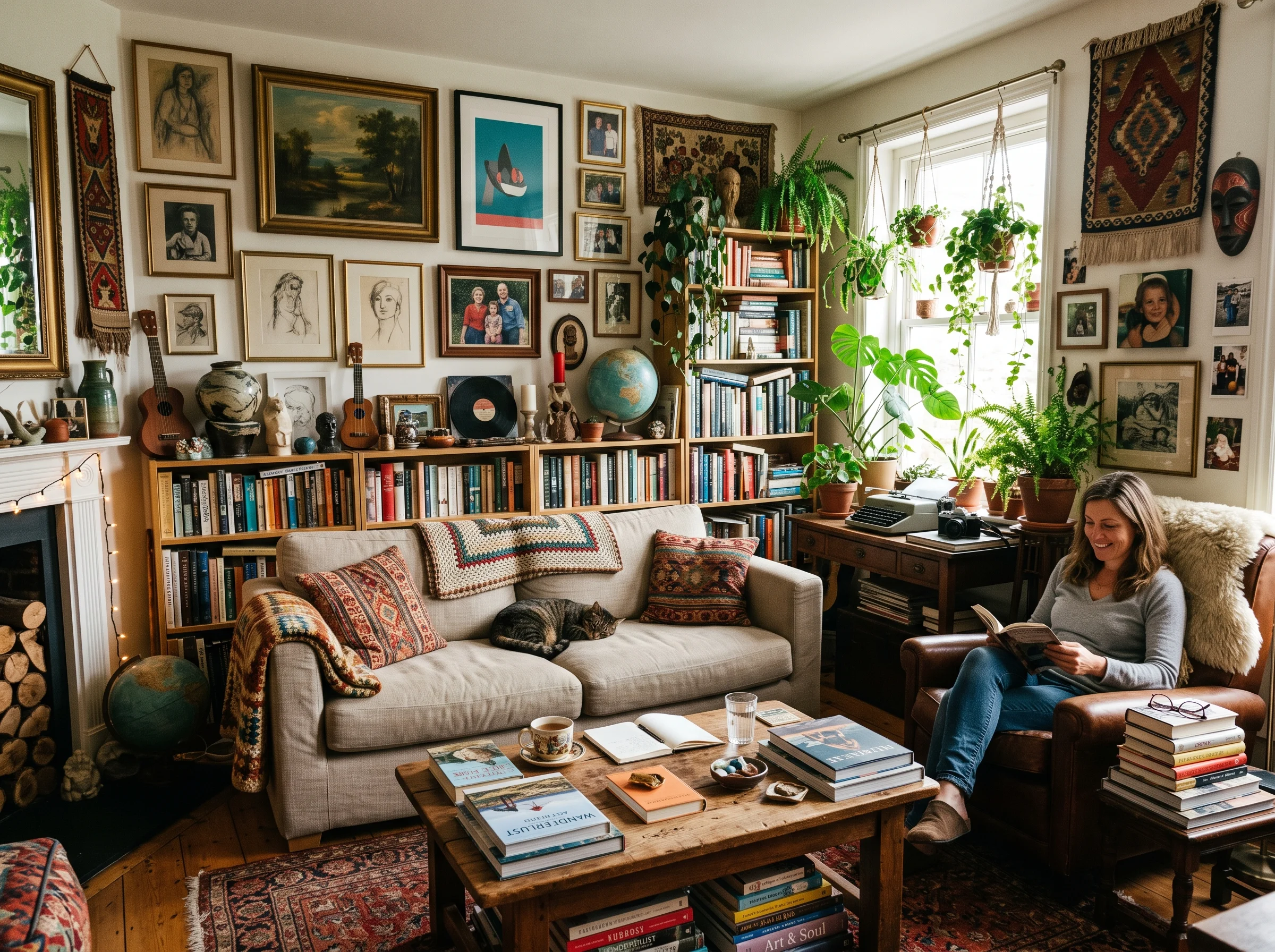
A beautiful room that doesn't fit your life is just a photograph you happen to live inside. Good designers know this, which is why the best of them spend less time on mood boards at the start of a project and more time on a set of surprisingly personal questions. They're not trying to make your room look like a magazine. They're trying to make it work for the specific human who lives there.
That process — turning "how you live" into "how the room is arranged" — is the real craft of personalization. Here's how designers do it, and how you can run the same process on your own home.
The Lifestyle Discovery Questions
Before touching furniture or color, a good designer interviews you. Not about your taste — about your life. The questions sound simple, but each one changes the design in concrete ways.
How do you actually use this room? Not how it's "supposed" to be used — how you really use it. A dining room that's actually a home office needs a different plan than one used for dinners. Who lives here — adults, kids, pets, elderly family members? A household with a toddler and a large dog needs durable, washable materials and rounded edges, not a pale linen sofa and a glass coffee table. Do you work from home? If so, the room needs a functional workspace, good task lighting, and a way to visually close off work at the end of the day.
Do you entertain, and how often? Someone who hosts dinner parties monthly needs flexible seating and a layout that supports conversation; someone who never entertains can optimize entirely for their own comfort. What's your relationship with clutter? Some people are natural minimalists; others accumulate, and a good design plans generous, accessible storage for the second type rather than pretending they'll suddenly change. What do you bring into the room that you shouldn't — shoes, bags, mail, gym gear? Those items reveal a missing function the room needs to absorb. And what does your morning routine look like in this space? The path you walk, the things you reach for, the spot where you drink your coffee — all of it should be designed for, not against.
How important is comfort versus appearance? This is the honest one. Some clients genuinely prioritize a magazine look and will trade a little comfort for it; others want to sink into everything. There's no wrong answer, but the design has to know which person it's serving.
"Designers aren't asking about your taste. They're asking about your Tuesday. The room gets built around the answer."
The Hidden Signals Designers Read
Clients don't always answer these questions accurately — not because they're lying, but because we're bad at describing our own habits. So experienced designers also read the room like a detective reads a scene.
Worn spots on a sofa tell them exactly how people sit and where they gravitate. A pile of books on the floor signals a storage need that furniture hasn't met. Shoes clustered by the front door reveal that the entry needs a dedicated drop zone — a bench, hooks, a basket — that currently doesn't exist. A tangle of chargers on the kitchen counter points to a missing device station. A blanket draped over the "wrong" chair reveals where someone actually likes to sit, regardless of how the furniture was arranged.
These signals are more honest than answers to questions, because they're evidence of behavior rather than reports of it. The room is already telling the designer how it's used. Their job is to read it and design with the truth instead of the intention.
How to Run Your Own Lifestyle Audit
You can do exactly what a designer does, and you have an advantage: you live there. Spend one week paying deliberate attention to your space. Every time your current room frustrates you or fails to serve you, write it down. The chair you never sit in. The corner that collects junk. The lamp that's never bright enough to read by. The lack of anywhere to put your bag when you walk in. The cord you trip over.
By the end of the week you'll have a list — not of what looks bad, but of what doesn't work. That list is your real brief. Now design against it, item by item. Need a drop zone by the door? Add a bench with storage. Never use that armchair? Remove it and open the space, or replace it with something you will use. Can't read in the evenings? Add a proper task lamp. This is the opposite of designing for a photo. It's designing for your life, one friction point at a time.
Testing Lifestyle-Specific Solutions Before You Commit
The gap between "I think a reading nook would work here" and "a reading nook actually works here" used to be expensive to close. You'd buy the chair, the lamp, the side table, arrange it all, and only then discover whether the corner really became the cozy spot you imagined — or just a place things pile up.
AI visualization closes that gap cheaply. Once your lifestyle audit tells you what the room needs — a work-from-home corner, a reading nook, a proper entry zone, a play area that doesn't dominate the living room — you can test it visually on a photo of your actual space before buying a single piece. See whether the WFH desk fits the corner without crowding the room. See whether the reading nook reads as inviting or awkward. See whether the layout that serves your Tuesday also looks like somewhere you want to be.
That's the whole point of personalization: a room that fits the person, not the photograph. Designers get there through questions and observation. You can get there through an honest week of noticing, followed by a fast, low-cost way to test the fixes on your own four walls.
The Takeaway
Personalization isn't about expensive custom furniture or a designer's signature look. It's about a room that answers the specific way you live — your routines, your household, your habits, your friction points. Designers uncover those through structured questions and sharp observation. You can uncover them yourself with a week of attention and an honest list.
The final step, seeing whether your fixes actually work in your space, is now something you can do before spending money instead of after. Design for the person. Test it on the room. That's how a space stops being a nice photo and starts being yours.